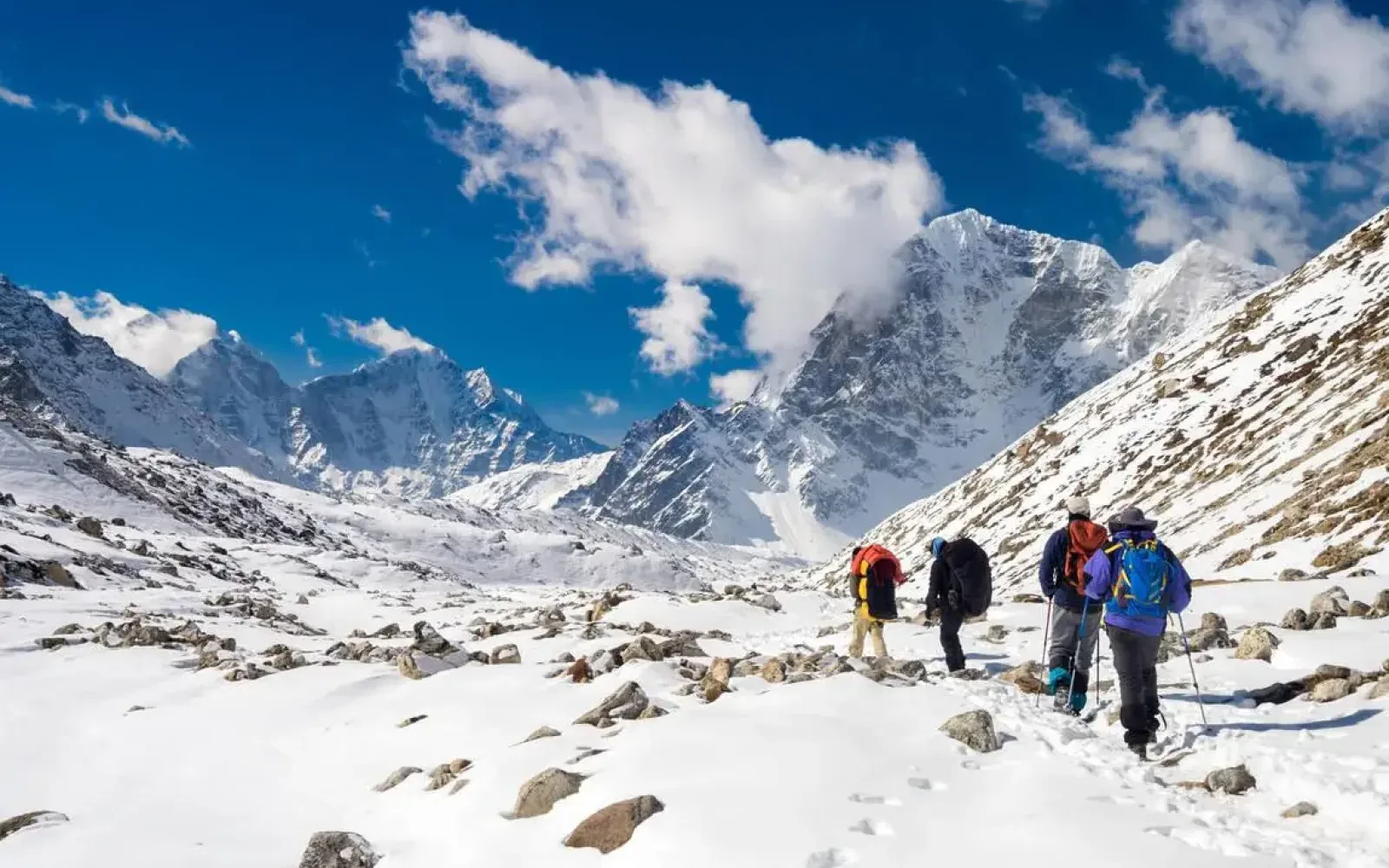
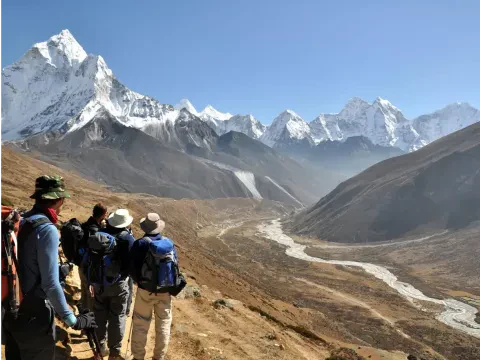
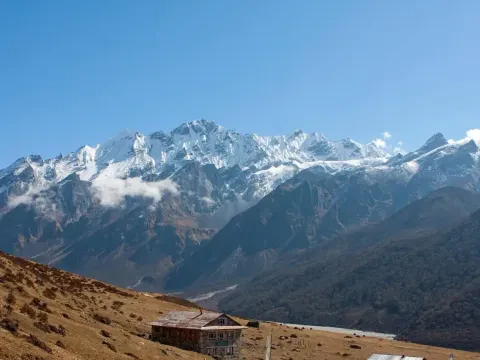
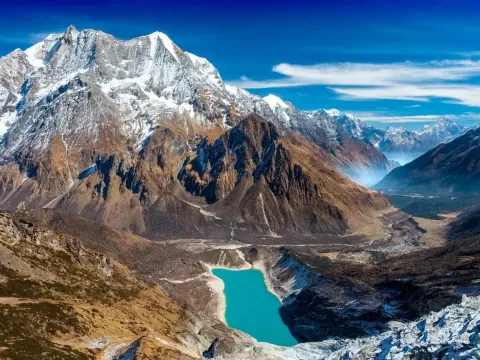
The Everest Base Camp Trek stands as one of the most iconic and sought-after trekking adventures in the world, drawing thousands of trekkers each year who are eager to explore the breathtaking landscapes of the Himalayas. The trek offers an unparalleled opportunity to witness the grandeur of Mount Everest, the highest peak on Earth, and immerse oneself in the rich culture of the Sherpa people who call this region home. Among the best times to undertake this journey are the spring (March to May) and autumn (September to November) seasons. Both seasons provide favorable weather conditions and spectacular scenery, making them the preferred windows for trekking enthusiasts.
Spring is a time when the valley bursts into color with blooming rhododendrons and warmer days, while autumn offers crystal-clear skies, cooler temperatures, and festive cultural experiences. Whether trekking in spring or autumn, adventurers are rewarded with stunning mountain vistas, charming villages, and a profound sense of accomplishment as they approach the base camp of the world’s tallest mountain. Ideal Nepal Tours and Travels specializes in offering expertly guided treks during these prime seasons, ensuring safety, comfort, and an unforgettable experience for all trekkers.
Overview of Everest Base Camp Trek
The Everest Base Camp Trek is a classic Himalayan trek that spans approximately 130 kilometers (round trip), beginning with a scenic flight to Lukla and ending at the base camp situated at an altitude of about 5,364 meters (17,598 feet). This trek not only offers majestic views of Everest (8,848 meters) but also showcases other towering peaks such as Lhotse, Nuptse, Ama Dablam, and Thamserku. Trekkers journey through diverse terrains, ranging from lush forests and alpine meadows to rugged high-altitude landscapes.
The route traverses traditional Sherpa villages like Namche Bazaar, Tengboche, and Dingboche, where trekkers can experience the unique Tibetan Buddhist culture and architecture. Along the way, there are numerous iconic landmarks such as the Tengboche Monastery and the famous Everest View Hotel. Ideal Nepal Tours and Travels provides carefully curated itineraries that include acclimatization days, cultural tours, and expert guidance to help trekkers navigate the challenges of high-altitude trekking safely and enjoyably.
Brief Introduction to the Trek and Its Significance
The Everest Base Camp Trek is much more than a physical challenge; it is a spiritual and cultural journey through the heart of the Himalayas. For many, reaching Everest Base Camp symbolizes the ultimate achievement and connection to the mountain that has fascinated explorers and climbers for decades. The trek is deeply significant as it not only allows adventurers to come face-to-face with the iconic Everest but also to engage with the Sherpa people, whose rich traditions and hospitality add profound meaning to the journey.
The trek is a celebration of human endurance, natural beauty, and cultural exchange. Whether you choose to trek in the blossoming spring or the clear, crisp autumn, the experience offers a unique blend of physical adventure and cultural immersion that few other treks in the world can match.
Geographic Location and Route Highlights
Located in the northeastern region of Nepal, the Everest Base Camp Trek lies within the Sagarmatha National Park, a UNESCO World Heritage Site known for its diverse flora and fauna. The trek begins with a scenic flight from Kathmandu to Lukla, a small mountain town that serves as the gateway to the Everest region. From Lukla, trekkers head towards Namche Bazaar, the bustling Sherpa hub, where many spend time acclimatizing.
The route continues through picturesque villages such as Tengboche—famous for its monastery with panoramic mountain views—and Dingboche, known for its beautiful landscapes and fields of barley and potatoes. As trekkers ascend higher, they reach Lobuche and Gorak Shep, the final stop before Everest Base Camp. Along the way, trekkers encounter stunning natural features including glaciers, suspension bridges, and high mountain passes. Ideal Nepal Tours and Travels ensures the trek covers all these highlights with ample rest and acclimatization to provide a safe and enriching trekking experience.
Why Choose Everest Base Camp Trek?
Adventure and Cultural Experience
The Everest Base Camp Trek offers an extraordinary blend of adventure and cultural immersion that few other treks in the world can match. For adventure seekers, the trek provides a thrilling challenge of high-altitude hiking through some of the most rugged and breathtaking terrain on the planet. As trekkers ascend through varying landscapes—from dense rhododendron forests to rocky alpine passes—they experience the raw beauty and power of the Himalayas up close. The physical demands of the trek test endurance and resilience, but the stunning mountain vistas and sense of accomplishment at reaching the base camp make every step worthwhile.
Beyond the adventure, the trek is a unique cultural journey. The trail winds through Sherpa villages where time-honored traditions and Tibetan Buddhist customs remain vibrant. Trekkers can visit ancient monasteries, observe colorful festivals, and interact with warm, hospitable locals whose way of life is intricately tied to the mountains. This cultural exposure enriches the experience, allowing travelers not only to witness the natural wonders but also to gain a deeper understanding of the Sherpa people’s rich heritage. Ideal Nepal Tours and Travels takes pride in offering guided treks that highlight these cultural encounters, ensuring an authentic and meaningful journey.
Popularity among Trekkers Worldwide
The Everest Base Camp Trek is globally renowned and consistently ranks among the top trekking destinations for outdoor enthusiasts and mountaineering aficionados. Its popularity stems from the unique opportunity it offers to stand in the shadow of the world’s tallest peak and experience the legendary Himalayan environment without the technical challenges of summiting Everest itself. This accessibility makes it appealing to trekkers of various skill levels who want to test their limits while enjoying stunning mountain scenery.
The trek’s status as a bucket-list adventure is reflected in the diverse international crowd it attracts each year, bringing together people from all walks of life united by their passion for trekking. The well-established trail infrastructure, combined with the vibrant Sherpa culture and breathtaking landscapes, creates an unforgettable experience that has earned it a place among the most iconic trekking routes worldwide. Ideal Nepal Tours and Travels caters to this global interest by providing personalized service, expert local guides, and seamless logistics, making the trek accessible, safe, and enjoyable for all clients.
Seasonal Overview: Spring vs. Autumn
Explanation of Trekking Seasons in Nepal
Nepal’s trekking calendar is largely defined by its unique climate patterns, with the best trekking experiences generally found during two primary seasons: spring (March to May) and autumn (September to November). These periods fall between the harsh winter and the monsoon rains, offering the most favorable weather conditions for high-altitude trekking. The months outside these seasons—summer monsoon (June to August) and winter (December to February)—are less ideal due to heavy rainfall or extreme cold, which can make trails slippery, dangerous, or inaccessible.
Spring is characterized by warming temperatures and blossoming flora, while autumn offers cool, stable weather and exceptional visibility. Both seasons provide clear skies, making them ideal for capturing the majestic views of the Himalayas and enjoying comfortable hiking conditions. Trekkers choosing either of these seasons benefit from moderate daytime temperatures, longer daylight hours, and less chance of extreme weather interruptions.
Importance of Spring and Autumn for Everest Base Camp Trek
Spring and autumn are especially significant for the Everest Base Camp Trek because of their distinct advantages in terms of climate, scenery, and overall trekking experience. In spring, the rhododendron forests lining the trails burst into vibrant colors, creating a spectacular natural backdrop that enhances the trek’s beauty. The warming temperatures also make high-altitude trekking more comfortable after the cold winter months, and the increased wildlife activity adds another layer of interest for nature lovers.
Autumn, on the other hand, is often considered the prime trekking season. After the monsoon rains have cleared the skies, trekkers enjoy unparalleled panoramic views of Everest and the surrounding peaks. The crisp, cool air ensures pleasant hiking conditions and excellent visibility, making it easier to appreciate the grandeur of the Himalayas. Additionally, autumn coincides with several local festivals, allowing trekkers to experience the rich Sherpa culture in full celebration. Ideal Nepal Tours and Travels specializes in organizing treks during these peak seasons, ensuring clients benefit from the best weather, spectacular scenery, and authentic cultural interactions.
Everest Base Camp Trek in Spring (March-May)
Spring is one of the most favored seasons to embark on the Everest Base Camp Trek, thanks to its ideal weather conditions and stunning natural beauty. During March to May, the snow begins to melt, revealing lush rhododendron forests in full bloom along the trail. The vibrant colors of the rhododendrons add a magical touch to the rugged Himalayan landscape, creating perfect photo opportunities and a truly immersive trekking experience. The weather during spring is generally warm and stable, with clear blue skies that offer spectacular panoramic views of Everest and surrounding peaks like Lhotse, Nuptse, and Ama Dablam.
This season also marks the start of the climbing season on Everest, so trekkers often get the chance to witness mountaineers preparing and ascending the higher routes, adding to the adventure’s allure. The moderate temperatures, combined with longer daylight hours, make spring a comfortable and safe time for trekking. Ideal Nepal Tours and Travels offers carefully planned itineraries in spring, ensuring trekkers experience both the cultural richness of Sherpa villages and the breathtaking natural landscapes. The company provides expert guides and support, helping adventurers enjoy this iconic trek to its fullest potential.
Spring Trekking Season Overview
Spring is widely regarded as one of the best seasons for trekking to Everest Base Camp, attracting adventurers from around the world eager to experience the breathtaking Himalayan landscapes in their most vibrant form. This season, spanning March through May, marks the transition from the colder winter months to warmer temperatures and longer daylight hours. The trail becomes livelier with blooming rhododendrons, bright alpine flowers, and active wildlife, all contributing to a stunningly colorful environment.
Trekking in spring offers a perfect balance of pleasant weather and natural beauty. Many trekkers find the season ideal for photography, cultural exploration, and high-altitude hiking due to the combination of warmer days and relatively stable weather. It is also the beginning of Everest’s climbing season, meaning trekkers can witness climbers preparing for their summit attempts, adding an exciting dimension to the journey.
Climate and Weather Conditions
During the spring months, the weather along the Everest Base Camp trail gradually becomes warmer and more stable. Early spring (March) can still bring chilly mornings and occasional snowfall at higher elevations, but by April and May, the days are typically clear and warm, while nights remain cool. The skies tend to be blue and clear, although there can be occasional rain showers as the season progresses toward May.
This season benefits from less humidity compared to the summer monsoon, reducing the risk of slippery trails and poor visibility. Trekkers should be prepared for variable conditions, including sunny days and cooler nights, as well as potential wind chill at higher altitudes. Overall, spring provides a generally favorable climate for trekking with fewer weather-related disruptions.
Typical Temperature Range
In spring, temperatures along the Everest Base Camp Trek vary significantly depending on altitude:
- Lower elevations (Lukla, Namche Bazaar): Daytime temperatures range from 10°C to 20°C (50°F to 68°F), with cooler nights around 0°C to 5°C (32°F to 41°F).
- Mid elevations (Dingboche, Tengboche): Daytime temperatures are usually between 5°C and 15°C (41°F to 59°F), with nighttime lows dropping to -5°C to 0°C (23°F to 32°F).
- High elevations (Lobuche, Gorak Shep, Everest Base Camp): Daytime temperatures can range from -5°C to 5°C (23°F to 41°F), while nighttime temperatures often fall well below freezing, sometimes reaching -15°C (5°F) or lower.
These temperature ranges mean trekkers should pack layered clothing to adapt comfortably to the warm days and cold nights characteristic of spring trekking in the Himalayas.
Flora and Fauna in Spring
Blooming Rhododendrons and Alpine Flowers
Spring transforms the Everest region into a vibrant tapestry of colors, making it one of the most beautiful times to trek in the Himalayas. The rhododendron forests, which are among the largest in Nepal, burst into bloom from late March through May, covering the slopes with brilliant shades of red, pink, white, and purple. These striking blossoms create a stunning contrast against the rugged mountain backdrop and add a magical atmosphere to the trekking experience.
In addition to rhododendrons, a variety of alpine flowers come to life during spring, including primulas, blue poppies (Nepal’s national flower), magnolias, and wild orchids. These flowers carpet the meadows and valleys at various altitudes, attracting pollinators and enhancing the natural beauty of the trail. The colorful flora not only pleases the eyes but also signals the rejuvenation of the landscape after winter, making spring trekking visually unforgettable.
Wildlife Activity
Spring also marks a time of increased wildlife activity as many animals emerge from the winter months in search of food and mates. Along the trail, trekkers may spot elusive Himalayan wildlife such as musk deer, Himalayan tahrs (wild goats), and langur monkeys. Birdwatchers will delight in sightings of vibrant species like the Himalayan monal (Nepal’s national bird), blood pheasants, and various types of eagles and vultures soaring above the peaks.
The warmer temperatures and blooming vegetation encourage a richer ecosystem, providing ample opportunities to observe the diverse fauna of the Sagarmatha National Park. With the help of knowledgeable guides from Ideal Nepal Tours and Travels, trekkers can enhance their appreciation of the region’s natural heritage by learning about the habits and habitats of the local wildlife during the spring season.
Advantages of Trekking in Spring
Clear Skies and Great Visibility of Everest
One of the major advantages of trekking to Everest Base Camp in spring is the generally clear and stable weather conditions, especially from April onwards. After the cold winter months, the skies begin to clear, offering trekkers spectacular panoramic views of Everest and the surrounding Himalayan peaks like Lhotse, Nuptse, and Ama Dablam. The visibility during this season is excellent, making it an ideal time for photographers and nature lovers to capture the majestic beauty of the mountains in crisp detail.
Though early spring can still bring occasional snowfall, the gradual warming and clearer skies allow trekkers to enjoy unobstructed vistas on most days. This enhances the overall trekking experience, giving adventurers breathtaking scenery as they journey closer to the base camp.
Moderate Temperatures and Fewer Crowds than Autumn
Spring offers pleasantly moderate temperatures, with warm days ideal for hiking and cool nights perfect for restful sleep. This comfortable climate makes it easier for trekkers to acclimatize and reduces the strain of the high-altitude environment. Compared to autumn, spring typically sees fewer trekkers on the trails, which means less congestion in lodges, tea houses, and key points along the route.
For travelers seeking a balance between favorable weather and a quieter, more intimate trekking experience, spring is an excellent choice. The smaller crowds allow for a more peaceful connection with nature and the surrounding communities, enhancing the sense of adventure.
Festivals and Local Cultural Events During Spring
Spring is also a culturally vibrant time to trek in the Everest region. The season coincides with important festivals celebrated by the Sherpa and Tibetan communities, such as the colorful Tihar (festival of lights) and the Tibetan New Year (Losar). These events offer trekkers a unique opportunity to witness traditional dances, rituals, and ceremonies that showcase the rich heritage of the local people.
Ideal Nepal Tours and Travels incorporates these cultural experiences into their spring trekking itineraries, ensuring that travelers not only witness the natural beauty of the Himalayas but also gain a deeper appreciation for the vibrant culture that thrives in this mountainous region.
Challenges During Spring Trek
Possible Afternoon Showers
While spring generally offers clear and pleasant weather, trekkers should be prepared for occasional afternoon showers, especially as the season progresses toward May. These sudden rain showers can make the trail slippery and muddy, increasing the risk of minor injuries and slowing progress on the more rugged sections of the route. It’s important to carry waterproof gear and appropriate footwear to stay comfortable and safe during these brief but sometimes heavy downpours.
These showers are part of the gradual transition toward the summer monsoon and can also bring a drop in temperature, so trekkers need to plan their daily hikes to avoid being caught on exposed parts of the trail during bad weather. Ideal Nepal Tours and Travels provides expert advice and support to help trekkers navigate these weather changes confidently.
Snow Patches at Higher Elevations
Although spring is a warming season, snow patches often remain on the trail at higher altitudes, particularly above 4,000 meters. Early spring trekkers may encounter residual snow and ice, which can make certain stretches slippery and challenging to traverse. These conditions require careful footing, sometimes the use of trekking poles, and increased caution, especially during early morning and late afternoon when the temperatures drop and the snow hardens.
Snow can also affect visibility and trail markings, adding an element of difficulty to navigation. However, by mid to late spring, many of these snow patches begin to melt, making the trail safer and easier to hike. Ideal Nepal Tours and Travels ensures that trekkers receive proper acclimatization and guidance to safely manage these seasonal challenges.
Everest Base Camp Trek in Autumn (September-November)
Autumn is arguably the most popular and best season for trekking to Everest Base Camp. From September to November, the monsoon rains have cleared the skies, leaving behind crisp, clear air and stunningly unobstructed views of the Himalayan peaks. The weather during this season is cool and stable, making it perfect for trekking. The lower humidity and pleasant temperatures provide comfortable hiking conditions throughout the day. Additionally, the post-monsoon landscape reveals lush greenery, sparkling rivers, and golden autumn foliage that enhance the natural beauty of the trail.
During autumn, the Sherpa communities celebrate several festivals, giving trekkers a unique opportunity to experience local culture and traditions. Ideal Nepal Tours and Travels ensures that clients get the best experience by combining comfortable accommodations, knowledgeable guides, and well-planned routes. The company is known for its attention to detail and commitment to safety, making the Everest Base Camp trek in autumn an unforgettable adventure for both first-timers and seasoned trekkers alike.
Autumn Trekking Season Overview
Autumn is widely regarded as the premier trekking season for the Everest Base Camp Trek, attracting the highest number of trekkers from around the world. Spanning September through November, this season follows the monsoon rains and ushers in clear, crisp weather with exceptional mountain visibility. The trails are lively with trekkers enjoying the comfortable temperatures and breathtaking panoramas. It is a time when nature’s vibrancy is at its peak, and the post-monsoon freshness makes the entire region feel rejuvenated.
The autumn season also coincides with several important Nepali and Sherpa festivals, enriching the trekking experience with vibrant cultural celebrations and local hospitality. Ideal Nepal Tours and Travels offers expertly guided treks during autumn, ensuring clients can enjoy the best weather conditions, scenic views, and cultural encounters that this season has to offer.
Climate and Weather Conditions
The climate during the autumn trekking season is generally stable and dry, with minimal rainfall following the end of the monsoon. The days are mostly sunny and warm, with cool, crisp air, especially in the mornings and evenings. This stable weather pattern provides excellent trekking conditions and is ideal for viewing the towering Himalayan peaks in stunning clarity. Winds tend to be calm, and the risk of sudden storms or poor weather is significantly reduced compared to other times of the year.
While temperatures can drop sharply after sunset, daytime conditions are very comfortable for hiking. Clear skies and dry trails make the autumn trek safer and more enjoyable, with excellent visibility allowing trekkers to fully appreciate the majestic landscape of Sagarmatha National Park.
Typical Temperature Range
Temperatures on the Everest Base Camp Trek in autumn vary depending on the altitude but generally fall within the following ranges:
- Lower elevations (Lukla, Namche Bazaar): Daytime temperatures range between 12°C and 22°C (54°F to 72°F), with nighttime lows between 3°C and 8°C (37°F to 46°F).
- Mid elevations (Dingboche, Tengboche): Daytime temperatures typically range from 7°C to 15°C (45°F to 59°F), while nights can be quite cold, often dropping to -5°C to 0°C (23°F to 32°F).
- High elevations (Lobuche, Gorak Shep, Everest Base Camp): Daytime temperatures range from -2°C to 6°C (28°F to 43°F), with nighttime temperatures frequently falling below -10°C (14°F) and sometimes reaching -15°C (5°F) or colder.
These temperature ranges require trekkers to be well-prepared with layered clothing and adequate cold-weather gear to stay warm and comfortable throughout the journey.
Scenic Beauty in Autumn
Clear, Crisp Air and Panoramic Mountain Views
Autumn is renowned for its spectacular scenic beauty, offering trekkers some of the clearest and most breathtaking views of the Himalayas. After the monsoon rains have washed away the dust and haze, the atmosphere becomes remarkably crisp and clean, allowing panoramic vistas of Mount Everest, Lhotse, Nuptse, Ama Dablam, and countless other towering peaks. The clear skies provide ideal conditions for photography and sightseeing, enabling trekkers to fully appreciate the grandeur of these majestic mountains.
The combination of cool temperatures and low humidity makes the air feel fresh and invigorating, enhancing the overall trekking experience. Each day on the trail brings awe-inspiring landscapes framed by sparkling snow-capped summits that seem closer than ever, creating unforgettable memories for those lucky enough to trek during this season.
Harvest Season and Colorful Landscapes
Autumn also coincides with the harvest season in the Everest region, a time when the agricultural fields and terraces burst with life and color. Golden hues of ripened barley and wheat fields contrast beautifully against the deep greens of pine and fir forests, while scattered patches of vibrant crops add to the richness of the landscape. The villages along the route are alive with activity as farmers gather their harvests, creating a lively and authentic rural atmosphere.
This season’s colorful landscapes provide trekkers with a unique cultural window into the traditional lifestyles of the Sherpa and other local communities. The harmony between nature’s bounty and the mountain environment adds a special dimension to the trek, making autumn not only a feast for the eyes but also a celebration of life in the high Himalayas.
Advantages of Trekking in Autumn
Most Popular Trekking Season with Stable Weather
Autumn is the most favored and busiest trekking season for the Everest Base Camp route, thanks to its consistently stable and dry weather. Following the retreat of the monsoon rains, trekkers can expect clear skies, mild daytime temperatures, and minimal precipitation. These reliable weather conditions make autumn the safest and most comfortable time to undertake the challenging high-altitude trek, attracting adventurers from all over the world who want to experience the Himalayas at their best.
Ideal Nepal Tours and Travels leverages this prime season to provide smooth, well-organized treks, ensuring that clients enjoy the optimal balance of adventure and safety during their journey to Everest Base Camp.
Ideal Conditions for Photography
The crisp, clear air of autumn offers unparalleled visibility, making it the perfect time for capturing stunning photographs of the Himalayan landscape. Majestic peaks, dramatic valleys, and vibrant cultural scenes are rendered in vivid detail under the bright blue skies that dominate this season. Photographers and nature lovers alike benefit from the exceptional lighting and unobstructed views, enabling them to document their journey with breathtaking images.
From sunrise over Everest to the golden glow of mountain villages, every moment in autumn is an opportunity for memorable photography — an experience Ideal Nepal Tours and Travels ensures all trekkers can maximize.
Bustling Local Festivals and Teahouse Hospitality
Autumn coincides with several important Sherpa and Nepali festivals, including Dashain and Tihar, which bring vibrant celebrations and lively traditions to the Everest region. Trekkers during this time can witness colorful dances, religious rituals, and community gatherings that enrich the cultural experience of the trek.
Additionally, the teahouses and lodges along the trail are at their liveliest, offering warm hospitality, delicious local cuisine, and a chance to meet fellow trekkers from around the globe. The bustling atmosphere creates a sense of camaraderie and cultural exchange, making the trek socially enriching as well as physically rewarding.
Challenges During Autumn Trek
Crowded Trails and Accommodation
As the most popular trekking season, autumn attracts a large number of trekkers from around the world. This influx often results in crowded trails, especially at key points such as Namche Bazaar, Tengboche, and Lobuche. The high foot traffic can sometimes slow down progress and reduce the feeling of solitude that many seek on such treks. Additionally, the teahouses and lodges along the route tend to fill up quickly, making it essential to book accommodations well in advance to secure a comfortable stay.
Ideal Nepal Tours and Travels advises early reservations and offers expert guidance to help trekkers avoid last-minute hassles, ensuring a smooth and enjoyable trekking experience despite the busy season.
Slightly Colder Nights at Higher Altitudes
While autumn days are generally mild and pleasant, the nights at higher elevations become noticeably colder. Temperatures can drop well below freezing above 4,000 meters, particularly around Gorak Shep and Everest Base Camp. This sharp temperature drop requires trekkers to be well-prepared with appropriate warm clothing and sleeping gear to maintain comfort and prevent cold-related issues.
Proper acclimatization and layering are essential to cope with the colder nights and to enjoy restful sleep, which is crucial for a successful trek. Ideal Nepal Tours and Travels ensures trekkers receive thorough preparation advice and support to manage these conditions safely.
Comparative Summary: Spring vs. Autumn for Everest Base Camp Trek
Weather and Temperature Comparison
Both spring and autumn offer excellent weather conditions for trekking to Everest Base Camp, but each season has its unique climate characteristics. In spring (March-May), the temperatures gradually warm up from chilly early March conditions to pleasant, mild days by late April and May. However, trekkers may still encounter some snow patches at higher elevations, and occasional afternoon showers can occur as the season transitions toward summer. Nights remain cold, especially above 4,000 meters, requiring warm clothing.
In contrast, autumn (September-November) is marked by the most stable and dry weather of the year, following the monsoon season. The skies are typically clear, providing spectacular visibility and crisp air. Daytime temperatures in autumn are generally mild and comfortable for trekking, but nights at higher altitudes can be colder than in spring, sometimes dropping to well below freezing. Overall, autumn offers more consistent weather, which many trekkers find ideal.
Crowds and Trekker Volume
When it comes to crowds, autumn is the busiest trekking season on the Everest Base Camp trail. The post-monsoon clear skies and festive atmosphere attract large numbers of trekkers from around the world, leading to busy trails and fully booked accommodations. While this creates a lively environment and opportunities to meet fellow adventurers, it can also mean less solitude and more competition for lodging.
Spring, on the other hand, tends to have fewer trekkers, especially in early March and April. This quieter atmosphere allows for a more peaceful trekking experience and easier access to teahouses without the pressure of overcrowding. By May, the numbers do increase as the climbing season begins, but generally, spring offers a balance of great weather and less congestion compared to autumn.
Ideal Nepal Tours and Travels recommends choosing the season that best fits your preferences—whether you prioritize stable weather and social trekking in autumn or vibrant flora and a quieter trail in spring. Either way, both seasons promise an unforgettable journey to the roof of the world.
Natural Beauty and Landscape Highlights
The Everest Base Camp Trek is a spectacular journey through some of the world’s most breathtaking mountain scenery. Along the trail, trekkers are treated to sweeping vistas of the Himalayas, including iconic peaks like Mount Everest, Lhotse, Nuptse, and Ama Dablam. The landscape shifts dramatically as you ascend—from lush rhododendron forests and terraced fields in the lower regions to alpine meadows dotted with wildflowers in spring, and finally to stark, rugged terrain and glacial moraines near the base camp.
The trek also passes through the Sagarmatha National Park, a UNESCO World Heritage Site known for its unique flora and fauna. The ever-changing environment—ranging from dense forests to high-altitude deserts—offers constant visual interest and plenty of opportunities for photography, wildlife spotting, and immersion in nature’s grandeur.
Cultural Experiences
Cultural encounters are a rich and rewarding aspect of the Everest Base Camp Trek. The region is home to the Sherpa people, renowned for their mountaineering heritage and warm hospitality. Along the trail, trekkers visit traditional villages where Buddhist monasteries, prayer flags, and mani walls offer insight into local spiritual life.
Depending on the season, you might experience vibrant festivals such as Losar (Tibetan New Year) or Dashain, with colorful dances, rituals, and community celebrations. The trek also provides opportunities to interact with local guides, lodge owners, and villagers, giving travelers a deeper appreciation for the customs, language, and daily life of the high Himalayas.
Recommended Gear and Preparations
Preparing well is key to enjoying a safe and comfortable trek to Everest Base Camp. Essential gear includes layered clothing to adapt to fluctuating temperatures, waterproof jackets, sturdy trekking boots, and warm accessories like gloves, hats, and thermal underwear. Trekking poles are highly recommended to help navigate uneven and steep terrain.
A good-quality sleeping bag rated for sub-zero temperatures is vital for the chilly nights, especially at higher altitudes. Additionally, sun protection such as sunglasses, sunscreen, and lip balm is important due to the intense Himalayan sun.
Physical preparation should focus on cardiovascular fitness, endurance, and strength to handle long days of trekking and altitude changes. Ideal Nepal Tours and Travels offers pre-trek briefings and support to help clients prepare thoroughly, including advice on acclimatization and packing.
Choosing the Best Season for Your Everest Base Camp Trek
Deciding whether to trek Everest Base Camp in spring or autumn ultimately depends on your personal preferences and priorities. If you seek vibrant natural beauty with blooming rhododendrons, fewer crowds, and a slightly warmer climate during the day, spring (March to May) is an excellent choice. It offers a quieter trail and the chance to experience the region’s awakening after winter.
On the other hand, if your priority is stable weather, crystal-clear mountain views, lively cultural festivals, and bustling teahouse hospitality, autumn (September to November) is the premier trekking season. This period draws the highest number of trekkers and provides some of the best conditions for photography and mountain visibility.
Ideal Nepal Tours and Travels is dedicated to helping you select the season that fits your adventure style, ensuring a memorable and rewarding trek tailored to your needs.
Final Tips for a Successful Trek in Spring and Autumn
Regardless of the season you choose, preparation is key to a successful Everest Base Camp trek. Always pack layers to adjust to variable temperatures, and bring quality gear suited for high-altitude trekking. Acclimatization days should be respected to prevent altitude sickness and to enjoy the journey comfortably.
Stay hydrated, maintain a balanced diet, and listen to your body throughout the trek. Embrace the local culture, interact with the friendly Sherpa communities, and savor the unique Himalayan experience. With the expert guidance and support from Ideal Nepal Tours and Travels, your Everest Base Camp adventure will be safe, enjoyable, and unforgettable.
 4.9 of 528 reviews
 4.8 of 214 reviews