
Registration No: 214869/75/076
Email: info@idealnepaltours.com

Trekking in Nepal is more than just an outdoor adventure—it's a profound journey through some of the world’s most breathtaking landscapes and culturally rich environments. Nestled between the high Himalayas and the steamy plains of India, Nepal boasts a unique topography that offers a wide variety of trekking routes suitable for every level of fitness and interest. Whether you're seeking a short and scenic trek like the Ghorepani Poon Hill route or aiming for a more demanding expedition like the Annapurna Circuit or the Everest Base Camp trek, Nepal has it all. The country is home to eight of the world’s fourteen 8,000-meter peaks, providing stunning backdrops and dramatic scenery at nearly every turn.
But the true magic of trekking in Nepal lies not just in its majestic mountains, but in the people and culture that define the journey. Trekkers often pass through remote mountain villages inhabited by ethnic groups such as the Sherpas, Gurungs, Magars, and Tamangs, whose lifestyles are steeped in tradition and influenced by Tibetan Buddhism and Hinduism. You'll find colorful prayer flags fluttering in the wind, centuries-old monasteries perched on hillsides, and warm, welcoming locals who offer insight into a way of life that is both timeless and humble. With Ideal Nepal Tours and Travels, every trek is thoughtfully organized to highlight these cultural elements, turning a scenic hike into a deeply immersive experience.
Ideal Nepal Tours and Travels offers a wide range of trekking packages that cater to your interests, timeframe, and fitness level. All our treks are led by experienced local guides who are not only trained in safety and first aid but are also passionate ambassadors of their homeland. Whether you're exploring the classic trails of the Everest region or venturing off the beaten path into the hidden valleys of Manaslu or Langtang, we ensure your safety, comfort, and enjoyment throughout the journey. Our team handles all logistics—from permits to accommodations—so you can focus on soaking in the beauty, spirit, and serenity of Nepal’s sacred mountains. Trekking in Nepal isn’t just a holiday—it’s a life-changing adventure.
Why thousands are drawn to this Himalayan adventure every year.
The name “Everest” carries a mythical allure that few other places on Earth can match. Towering at 8,848 meters (29,029 feet), Mount Everest is the tallest peak in the world and stands as a symbol of human endurance, ambition, and natural grandeur. Each year, thousands of trekkers, mountaineers, and adventurers flock to Nepal, driven by the desire to catch a glimpse of the towering summit or even make the pilgrimage to Everest Base Camp. For many, it’s more than just a trek—it’s a lifelong dream realized, a spiritual journey into the heart of the Himalayas.
What makes the Everest journey so captivating isn’t just the destination—it’s the entire experience. From the scenic mountain flights into Lukla to the hospitable Sherpa villages and awe-inspiring panoramas of snow-capped peaks, every step of the way offers a new adventure. Ideal Nepal Tours and Travels ensures that your experience is not only safe and organized but also deeply personal and memorable. Whether you're an experienced trekker or a first-time adventurer, the journey to Everest promises both a physical challenge and emotional reward unlike any other.
A geographical and cultural overview of the Khumbu Valley.
The Everest Region, also known as the Khumbu Valley, is located in northeastern Nepal and forms part of the larger Sagarmatha National Park, a UNESCO World Heritage Site. This region is characterized by its dramatic mountain landscapes, glacial rivers, deep valleys, and towering peaks, including Mount Everest, Lhotse, Nuptse, and Ama Dablam. The journey typically begins in Lukla, a small but bustling town with one of the world's most iconic airports. From there, the trail meanders through a series of picturesque villages like Namche Bazaar, Tengboche, Dingboche, and Lobuche, each offering unique scenery and cultural richness.
Culturally, the Khumbu Valley is the heartland of the Sherpa people, who are renowned for their mountaineering skills and warm hospitality. Along the trail, trekkers encounter centuries-old monasteries, fluttering prayer flags, and mani stones etched with Buddhist mantras. These spiritual and cultural elements add depth to the trekking experience, providing insights into the Buddhist traditions that shape everyday life in the mountains. Ideal Nepal Tours and Travels ensures that each trek includes cultural interactions and guided context, allowing visitors to not just see the Everest Region—but truly understand it.
Everest Base Camp, Gokyo Lakes, Three Passes & other popular trails.
Selecting the ideal trekking route in the Everest region depends on your fitness level, timeframe, and appetite for adventure. The most iconic route is the Everest Base Camp (EBC) Trek, a 12- to 14-day journey that takes you through the heart of the Khumbu Valley, culminating at the foot of the world’s highest mountain. This trail is perfect for first-time trekkers looking for a classic Himalayan experience—offering panoramic mountain views, visits to Sherpa villages, and cultural highlights like the Tengboche Monastery. It’s a well-established route with good infrastructure, including comfortable teahouses, experienced guides, and accessible medical support.
For those seeking something a bit different or quieter, the Gokyo Lakes Trek is an excellent alternative. This route diverges from the EBC trail and leads trekkers to a series of stunning glacial lakes nestled beneath soaring peaks. The climb to Gokyo Ri (5,357 meters) offers one of the best panoramic viewpoints in the Himalayas, often considered superior to Kala Patthar in terms of sheer beauty. This route is less crowded, slightly more challenging, and gives a deeper connection to the region’s pristine natural landscapes.
If you're a seasoned trekker looking for a challenge, the Three Passes Trek is the ultimate Everest region circuit. This strenuous route crosses three high mountain passes—Kongma La (5,535m), Cho La (5,420m), and Renjo La (5,360m)—connecting the EBC trail with the Gokyo Lakes region in a loop. It's demanding in terms of altitude and endurance but rewards adventurers with remote valleys, lesser-trodden paths, and dramatic scenery from all angles. Ideal Nepal Tours and Travels offers full logistical support, including acclimatization planning and experienced guides to ensure that this high-altitude trek is both safe and fulfilling.
Beyond these, there are other notable trails such as the Everest Panorama Trek, perfect for those with limited time or altitude concerns, and the Jiri to Everest trek, which follows the classic route taken by early Everest expeditions. At Ideal Nepal Tours and Travels, we work closely with each traveler to customize the right trek based on their goals, timeline, and experience. Whether you want a short adventure or a high-altitude epic, we’ll make sure your route leads to an unforgettable Himalayan journey.
Pros and cons of each trekking season—when should you go?
Choosing the right season to trek in Nepal is essential for ensuring a safe, enjoyable, and visually rewarding experience. The best times to trek are during the pre-monsoon (spring) season from March to May and the post-monsoon (autumn) season from late September to early December. These periods offer clear skies, moderate temperatures, and stunning views of the Himalayan peaks. Spring brings rhododendron blooms and warmer weather, while autumn is known for crystal-clear mountain visibility and stable weather conditions.
While these are the most popular times to go, trekking in other seasons has its own advantages and challenges. The winter months (December to February) are much colder, especially at higher altitudes, but also less crowded—ideal for experienced trekkers who want solitude and can tolerate freezing temperatures. The monsoon season (June to August) is generally not recommended for Everest treks due to heavy rainfall, flight delays, and landslides. However, some rain-shadow regions like Upper Mustang and Dolpo are accessible and relatively dry even during the monsoon. At Ideal Nepal Tours and Travels, we help you weigh these factors and choose the ideal window based on your trekking goals, preferred climate, and flexibility.
How to prepare your body for the demands of high-altitude hiking.
Trekking to Everest Base Camp or through the high Himalayas is a physical challenge that requires more than just enthusiasm—it demands preparation, stamina, and resilience. While you don’t need to be an elite athlete, you should be in good physical condition with solid cardiovascular endurance, leg strength, and mental fortitude. Expect to hike for 5–8 hours a day over varied terrain, sometimes at altitudes above 5,000 meters, where oxygen levels are significantly lower. Preparation is key to enjoying the journey and avoiding altitude-related issues.
Begin your training at least 8–12 weeks before your trek. Focus on aerobic exercises like hiking, running, cycling, or swimming to build cardiovascular endurance. Add strength training—especially for your legs, back, and core—using bodyweight exercises, squats, lunges, and step-ups. Simulate trekking by doing long walks or hikes with a loaded backpack on uneven terrain. Incorporate altitude preparation, if possible, by spending time at higher elevations or using altitude training masks. At Ideal Nepal Tours and Travels, we also provide tailored training advice and trekking itineraries that include acclimatization days and rest periods to maximize your success and safety on the trail.
TIMS cards, Sagarmatha National Park fees, and current visa rules.
Before setting out on your trek to Everest or any other region in Nepal, it’s essential to secure the necessary permits and understand the country’s entry regulations. For most treks in the Everest region, you will need a Sagarmatha National Park Entry Permit and a Khumbu Pasang Lhamu Rural Municipality Permit. These permits replace the traditional TIMS (Trekkers’ Information Management System) card for Everest region treks, which is no longer required here. The national park permit costs approximately NPR 3,000 for foreigners, while the local permit is around NPR 2,000, payable in Lukla or Monjo. For other regions like Annapurna or Langtang, the TIMS card is still required and costs vary based on whether you’re traveling independently or with a guide.
To enter Nepal, most foreign travelers can obtain a tourist visa on arrival at Tribhuvan International Airport in Kathmandu or at designated land borders. Tourist visas are typically available for 15, 30, or 90 days, with fees ranging from USD 30 to USD 125 depending on the duration. It's advisable to carry cash in USD for visa payment, though credit cards are sometimes accepted. Make sure your passport is valid for at least six months from your date of entry. At Ideal Nepal Tours and Travels, we help streamline this process by assisting you with up-to-date permit requirements, handling paperwork in advance, and ensuring all documentation is in order so you can focus on enjoying your trek.
Understanding roles, ethical considerations, and what to expect.
Hiring a licensed guide or porter for your trek in Nepal is not only highly recommended—it’s often essential for a safe, informative, and enriching experience. A guide serves as your route planner, cultural interpreter, and safety expert. They’re trained to manage altitude-related issues, help with logistics, and share deep knowledge of the region’s history, geography, and local customs. A porter, on the other hand, helps carry your gear, typically up to 20–25 kg, allowing you to trek with less physical strain and greater comfort. This is especially valuable at high altitudes where even a light load can feel twice as heavy.
Beyond practical benefits, hiring local staff supports Nepal’s economy and sustains communities that rely heavily on tourism. However, it’s crucial to do so ethically. Ideal Nepal Tours and Travels ensures that all our guides and porters are fairly paid, properly equipped, and insured. We provide regular training in first aid, altitude awareness, and customer service to guarantee a professional experience. Hiring staff through a reputable company ensures both your safety and the dignity of the individuals who make your trek possible. While it is possible to trek independently in some areas, having local support enriches the journey, reduces risk, and fosters meaningful connections with the Himalayan people.
Complete gear checklist for clothing, tools, and documentation.
Packing smartly is key to a successful trek in the Everest region. You’ll be hiking through varied terrain and climates, so your gear should cover everything from intense sun to freezing nights. Layering is the golden rule. Start with moisture-wicking base layers, add insulating layers like fleece or down jackets, and top off with a waterproof and windproof outer shell. For lower-body wear, trekking pants (with thermal underlayers for higher altitudes) and a pair of warm gloves, thermal socks, and a wool hat are must-haves. Bring a good-quality sleeping bag rated for -10°C to -20°C, even if you’re staying in teahouses—they can get quite cold at night.
Your footwear matters enormously: sturdy, well-broken-in trekking boots with ankle support are a necessity. Pair these with lightweight camp shoes or sandals for evenings. Other essentials include a daypack, headlamp, trekking poles, sunglasses with UV protection, and a refillable water bottle or hydration bladder (plus purification tablets or filter). Toiletries should be compact—biodegradable soap, quick-dry towel, hand sanitizer, and sunscreen with high SPF are non-negotiable. Documentation such as passport copies, travel insurance, trekking permits, and emergency contact information should be packed in a waterproof pouch. At Ideal Nepal Tours and Travels, we provide a detailed packing list before your departure, and we also assist with rental gear for heavier or technical items to lighten your load.
Preventing altitude sickness, staying healthy, and emergency protocols.
Trekking in the Everest region means venturing into high-altitude zones where the oxygen level drops significantly. The number one health concern is Acute Mountain Sickness (AMS), which can escalate into more serious conditions like High Altitude Pulmonary Edema (HAPE) or High Altitude Cerebral Edema (HACE) if not managed properly. To reduce risk, it's crucial to follow a slow and steady pace, include acclimatization days in your itinerary, and stay well-hydrated. Listen to your body: symptoms like headaches, nausea, dizziness, or difficulty sleeping are signs you may be ascending too quickly. Medications like Diamox (Acetazolamide) can aid acclimatization but should be used under medical advice.
Health and hygiene are equally important. Always treat drinking water and avoid raw or undercooked food. Carry a basic first-aid kit including pain relievers, blister treatment, altitude medication, and anti-diarrheal tablets. Travel insurance with high-altitude trekking coverage is non-negotiable—this should include helicopter evacuation, which may be required in emergencies. At Ideal Nepal Tours and Travels, your safety is our highest priority. Our guides are trained in altitude protocols and first aid, and we closely monitor your condition throughout the trek. We also maintain a reliable communication network to coordinate emergency responses when necessary, ensuring peace of mind throughout your adventure.
What tea houses are like, what you’ll eat, and what a typical day looks like.
Trekking in the Everest region offers a unique rhythm of life, where simplicity, nature, and community create an unforgettable daily experience. Most trekkers stay in tea houses—basic, family-run lodges scattered along the trail that provide both lodging and meals. Rooms are usually twin-shared with wooden beds, mattresses, and thick blankets (though bringing your own sleeping bag is recommended for warmth and hygiene). Bathrooms vary from shared squat toilets to flush ones, and while electricity and hot showers are often available, they may come at an extra cost and are not always reliable.
Meals are served in cozy communal dining rooms where a stove provides warmth. The food is hearty, nutritious, and carb-rich to fuel long trekking days. A typical menu includes Dal Bhat (rice, lentil soup, and vegetable curry), noodles, pasta, soups, pancakes, and Tibetan bread. Tea, coffee, and hot lemon are trekking staples. Meat is available in lower altitudes but not recommended beyond Namche due to hygiene concerns. A typical day starts early, with breakfast around 6:30–7:00 AM and trekking beginning by 8:00. You’ll walk 5–7 hours daily, with breaks for lunch and rest. Afternoons are spent settling into your lodge, exploring nearby monasteries or villages, and preparing for the next day’s hike. At Ideal Nepal Tours and Travels, we pre-book your accommodations and ensure reliable food options, so you can focus on enjoying the rhythm of the trail without logistical stress.
Respectful behavior, traditions, and what not to do in Sherpa communities.
The Everest region is not only a place of stunning natural beauty but also a deeply spiritual and culturally rich area. Most local inhabitants, particularly the Sherpa people, practice Tibetan Buddhism, and their customs are woven into every aspect of village life. As a visitor, it's important to approach these communities with respect and cultural sensitivity. Always walk clockwise around mani stones, chortens (stupas), and prayer wheels, as a sign of respect. Enter monasteries quietly, remove your shoes, and avoid pointing your feet toward sacred objects or altars.
Modesty in dress and behavior is highly appreciated. Even though trekking is physically demanding, try to avoid shorts or sleeveless tops in villages and religious sites. Ask for permission before photographing people, especially monks or elders, and avoid touching people on the head, which is considered sacred. Public displays of affection are uncommon and should be avoided. It’s also considered disrespectful to kill or harm animals—even insects—in many Buddhist communities. At Ideal Nepal Tours and Travels, we brief all trekkers on local customs and encourage responsible, culturally aware travel. When you respect local traditions, your experience becomes richer and more welcomed by the communities you visit.
Costs to expect—from gear to guide fees and food along the way.
Planning your budget is a crucial part of preparing for a trek in the Everest region, as costs can vary widely depending on your style of travel, the length of your trek, and the level of comfort you desire. Major expenses include flights to Nepal, domestic flights (such as the Lukla flight to start the trek), permits, guide and porter fees, accommodation, meals, gear, and travel insurance. For example, a typical 12-14 day Everest Base Camp trek, including permits and guide services through a reputable company like Ideal Nepal Tours and Travels, generally ranges from $1,200 to $2,500 USD depending on inclusions and services.
Gear can be a significant upfront cost if you don’t already own quality trekking equipment. However, many trekking companies offer gear rentals to reduce your expenses. Food prices along the trail are generally reasonable, though expect higher costs at higher altitudes due to transportation challenges—meals might cost between $5–$15 per day. Hiring a guide or porter not only enhances safety and comfort but also supports local communities; expect to pay guides around $25–$35 per day and porters $15–$20 per day. Budgeting for tipping at the end of the trek is also customary. At Ideal Nepal Tours and Travels, we provide transparent pricing and customized packages to suit your budget without compromising quality or safety.
Staying connected and powered up in remote mountain regions.
While trekking in the Everest region offers a welcome escape from the digital world, many travelers want to stay connected to family, work, or share their adventure online. Most villages along the trail offer Wi-Fi in tea houses, but connectivity can be slow, intermittent, and sometimes require a small fee. Mobile network coverage improves as you descend from higher elevations, with major Nepalese providers like Ncell and Nepal Telecom offering SIM cards and data plans that work well throughout the trek. Purchasing a local SIM card is straightforward and affordable in Kathmandu or Lukla.
Powering your devices requires some planning. Many tea houses have limited electricity, often available only in the evenings, and some use solar power with restricted capacity. Carrying a portable power bank is essential, especially for multi-day stretches without reliable outlets. Solar chargers are also a popular option for eco-friendly power on the go. For photography and safety, bring a good quality camera or smartphone, a headlamp, and perhaps a GPS device or offline maps app for navigation. At Ideal Nepal Tours and Travels, we advise on the best gadgets to bring and offer support for staying connected while respecting the natural environment and local infrastructure constraints.
Leave no trace, supporting local economies, and minimizing your footprint.
As trekking in the Everest region continues to grow in popularity, the importance of sustainable and responsible travel has never been greater. The fragile Himalayan environment is vulnerable to the pressures of tourism, including waste accumulation, deforestation, and water pollution. To protect this pristine landscape, trekkers must commit to the “Leave No Trace” principles—carrying out all non-biodegradable waste, avoiding single-use plastics, and sticking to established trails to prevent soil erosion. Many tea houses and villages are increasingly adopting eco-friendly practices, but your cooperation is vital to keep these efforts effective.
Supporting local communities is equally important. By hiring local guides, porters, and using locally owned lodges and shops, your trekking dollars directly contribute to the well-being and development of the Sherpa and other mountain peoples. Sustainable trekking also means respecting local customs, traditions, and natural resources, ensuring that tourism benefits the people who call these mountains home. Ideal Nepal Tours and Travels prioritizes eco-friendly practices and community support in every tour package, encouraging travelers to tread lightly and leave a positive legacy in the Himalayas.
The psychological side of trekking—challenges, triumphs, and transformations.
Trekking to Everest Base Camp or through the high Himalayas is as much a mental and emotional journey as it is a physical one. The long days of hiking, altitude changes, and isolation from familiar comforts can stir a mix of emotions—from excitement and awe to fatigue and moments of doubt. Many trekkers report feeling an intense connection to nature and themselves, often describing a sense of peace and clarity that comes from spending time in such raw, majestic surroundings.
Challenges such as altitude sickness, weather unpredictability, and physical strain can test your resilience, but overcoming these hurdles often leads to profound feelings of accomplishment and personal growth. Many trekkers speak of a mental transformation—a boost in confidence, patience, and perspective—that stays with them long after the journey ends. At Ideal Nepal Tours and Travels, our experienced guides provide not only physical support but also encouragement and companionship, helping you navigate the emotional highs and lows of the trek. We believe that preparing mentally is just as important as training physically for a rewarding Everest adventure.
How to recover physically and process the experience once home.
Completing a trek to Everest Base Camp or the surrounding Himalayan trails is a monumental achievement that often leaves trekkers physically exhausted but emotionally fulfilled. After returning home, it’s important to give your body adequate time to recover. Focus on hydration, nutritious meals, and gentle exercise like walking or stretching to restore muscle strength and flexibility. Altitude effects typically dissipate within a few days, but you may notice lingering fatigue, so listen to your body and rest as needed. Many trekkers find that massage or yoga can help ease soreness and improve circulation.
Mentally and emotionally, the post-trek period offers a valuable chance to reflect on your journey. Consider journaling your experiences, reviewing photos, or sharing stories with fellow trekkers and loved ones to deepen your understanding and preserve memories. Many find that trekking fosters a new appreciation for nature, resilience, and cultural diversity—insights that can positively influence daily life. At Ideal Nepal Tours and Travels, we encourage ongoing engagement with the trekking community and offer support for planning future adventures. Your Everest trek may be over, but the journey it sparks within you continues.
Sample Itineraries
Emergency Contact Info
Recommended Reading & Documentaries
Glossary of Trekking Terms
Exploring on a trek to the Everest region is more than just a physical journey—it’s a life-changing adventure that challenges your body, expands your mind, and enriches your soul. From the breathtaking landscapes of the Himalayas to the warm hospitality of the Sherpa communities, every step on the trail offers unique experiences and lasting memories. Proper preparation—whether it’s choosing the right season, training your body, understanding local customs, or packing smart—ensures you not only reach your destination but truly savor the journey along the way.
At Ideal Nepal Tours and Travels, we are dedicated to making your Everest trek safe, enjoyable, and meaningful. Our expert guides, personalized service, and deep respect for the environment and local cultures help you navigate the challenges and wonders of this incredible region. Whether you are a first-time trekker or a seasoned adventurer, we’re here to support you every step of the way. As you prepare to explore on your Himalayan adventure, remember that the journey itself—the friendships you forge, the inner strength you discover, and the awe-inspiring beauty you witness—is the true summit of this remarkable experience.
We look forward to welcoming you to Nepal and helping you create memories that will last a lifetime.
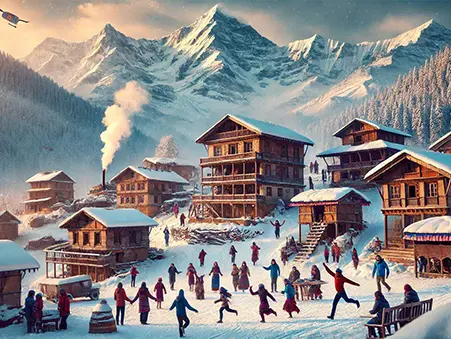
Visit Nepal in Winter is a dream destination for travellers worldwide, known for its towering Himalayas, diverse landscapes, and cultural richness. For Indian tourists and other international visitors, exploring Nepal is now easier than ever, thanks to a wide range
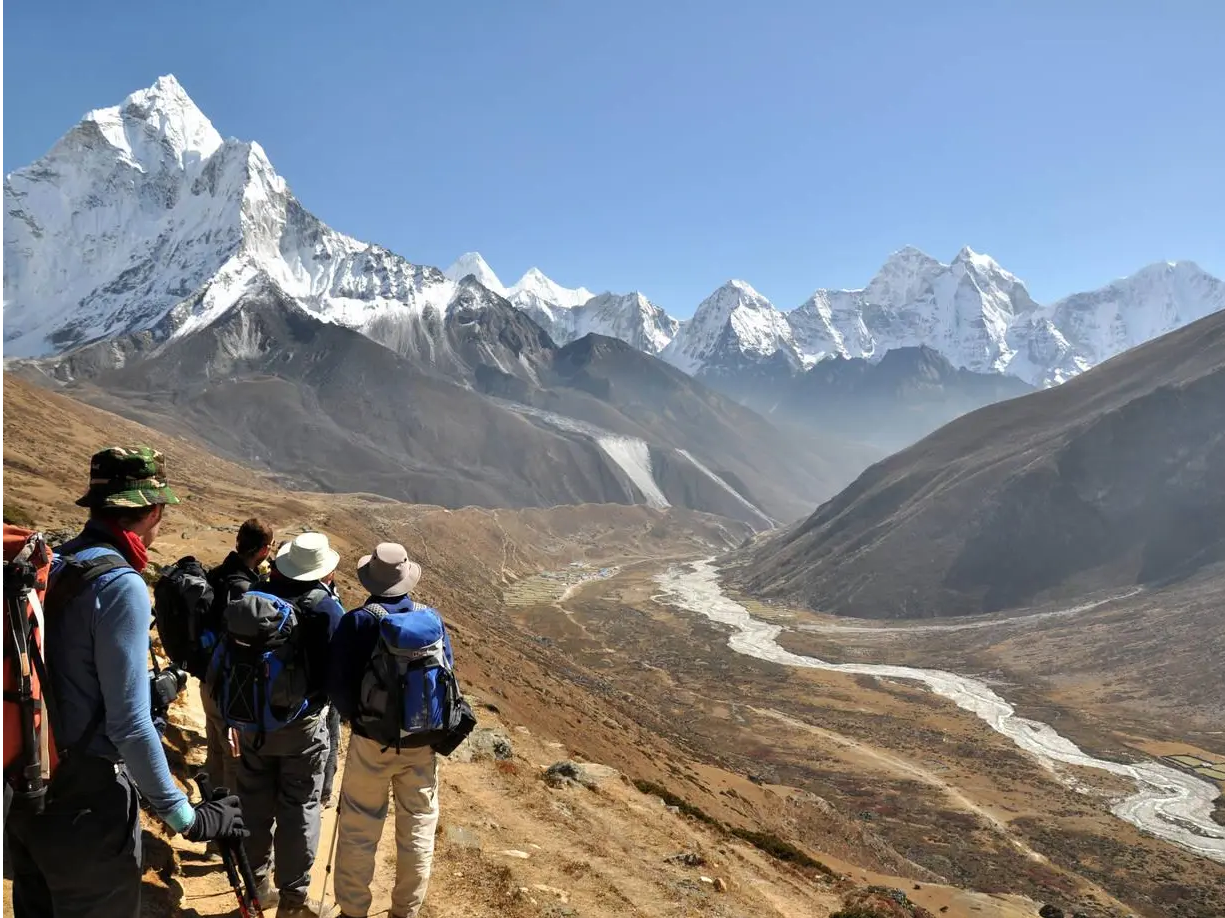
Nepal is globally renowned as the ultimate trekking destination. Nestled between China and India, this Himalayan nation offers an unparalleled blend of dramatic landscapes, rich cultural heritage, and spiritual energy. Trekking in Nepal is
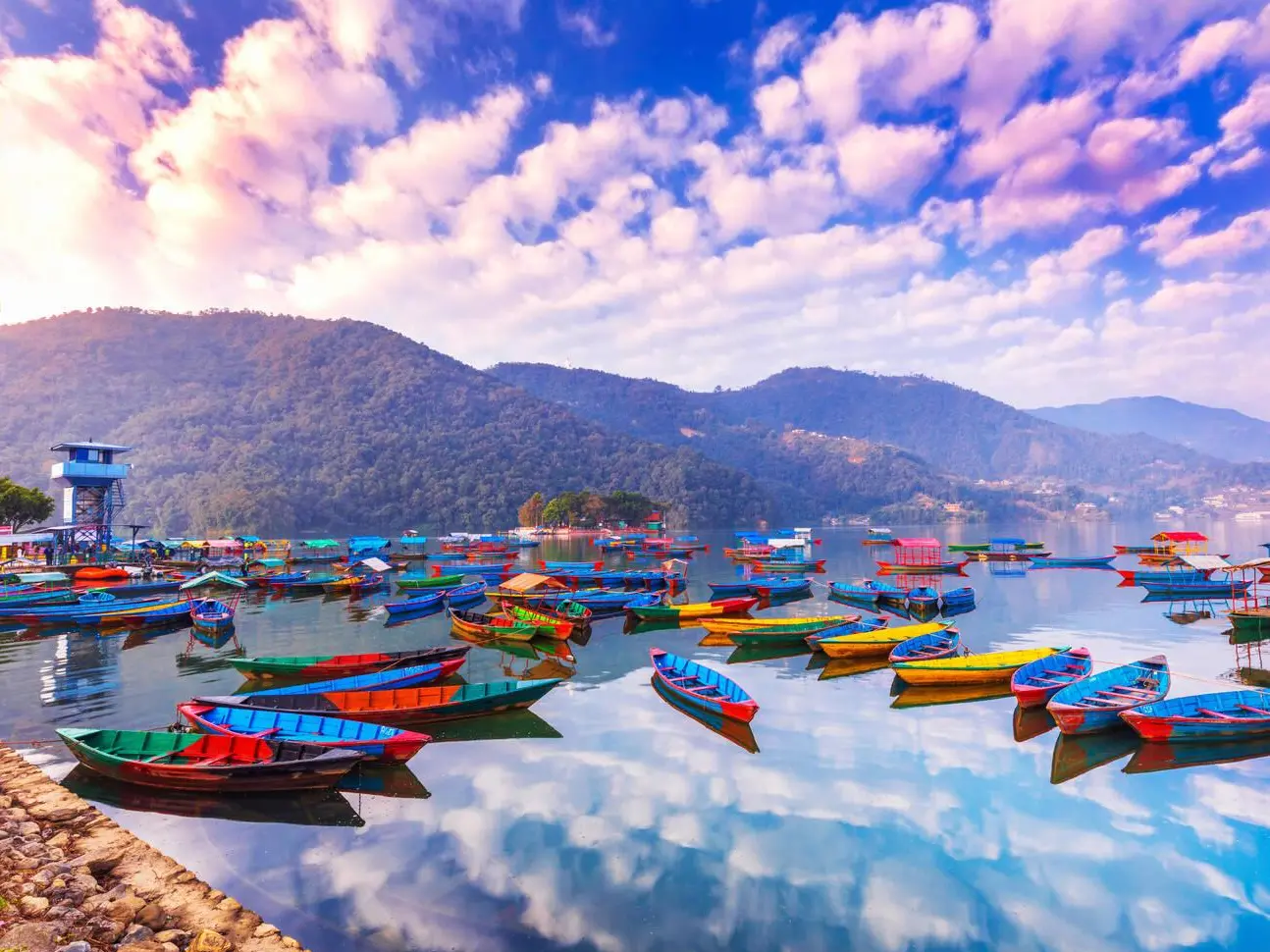
Nepal, a land of unparalleled natural beauty and rich cultural heritage, continues to enchant travelers worldwide. As we approach 2025 and 2026, the country’s diverse landscapes—from soaring Himalayan peaks to lush forests and serene lakes
