
Registration No: 214869/75/076
Email: info@idealnepaltours.com
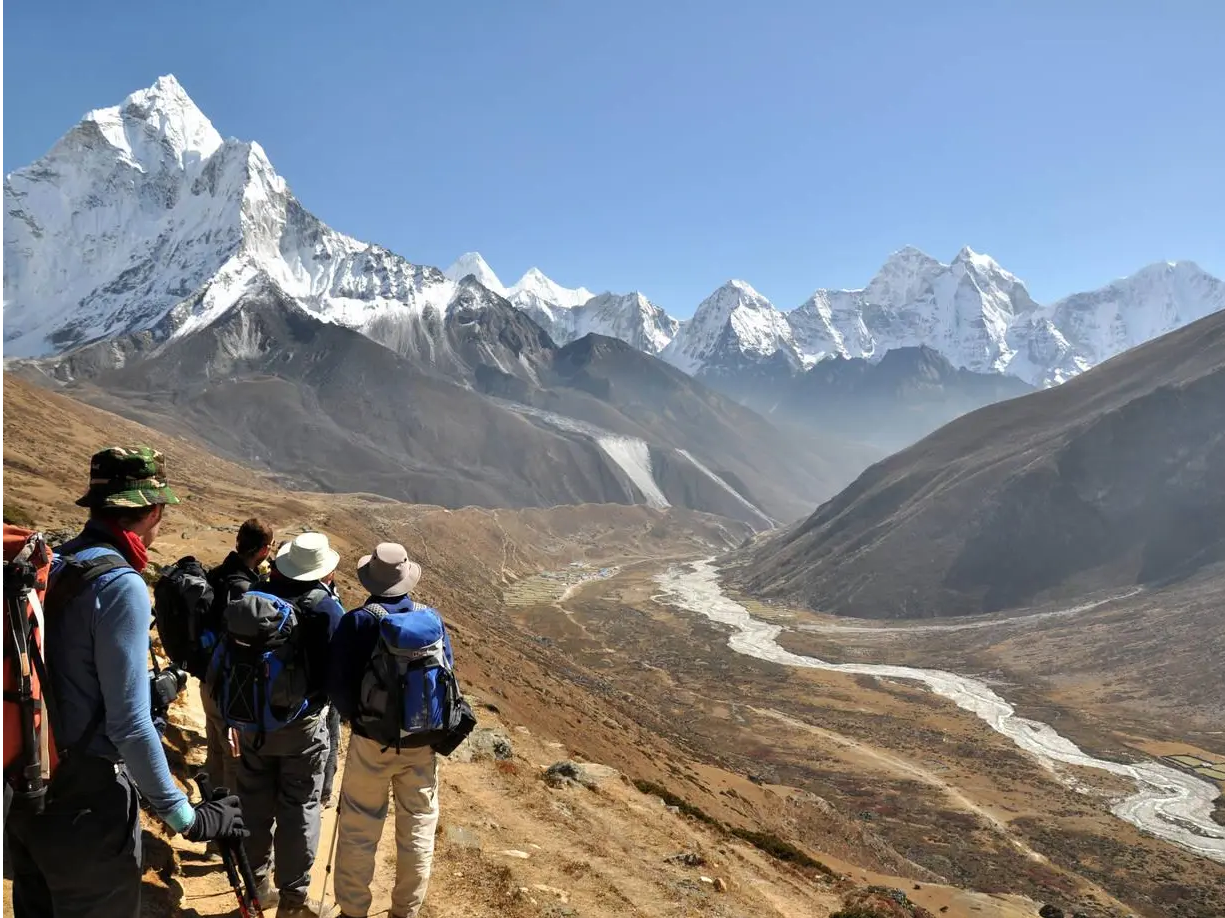
Nepal is globally renowned as the ultimate trekking destination. Nestled between China and India, this Himalayan nation offers an unparalleled blend of dramatic landscapes, rich cultural heritage, and spiritual energy. Trekking in Nepal is not just about walking through scenic trails—it's about immersing yourself in a timeless world where snow-capped peaks, ancient monasteries, and centuries-old traditions coexist in harmony. From gentle lowland hikes to extreme high-altitude adventures, Nepal caters to every kind of traveler.
What sets trekking in Nepal apart is the sheer diversity of routes and experiences. Iconic trails like the Everest Base Camp Trek, Annapurna Circuit, and Langtang Valley offer majestic views and well-established infrastructure, while lesser-known routes like Manaslu, Kanchenjunga, and the Great Himalayan Trail promise solitude and a deeper cultural immersion. Along the way, trekkers encounter ethnic communities such as the Sherpa, Gurung, Tamang, and Magar people, each with distinct customs, languages, and lifestyles. The blend of natural grandeur and human connection makes every journey a memorable one.
With Ideal Nepal Tours and Travels, trekking becomes more than a vacation—it becomes a transformative experience. Our expert local guides, who are deeply familiar with the terrain and culture, ensure that every trek is safe, insightful, and tailored to your fitness level and interests. Whether you're hiking through rhododendron forests in the spring or crossing glacial passes in the fall, our team ensures that your adventure is smooth, enjoyable, and respectful of the environment and local communities.
Trekking in Nepal also supports a sustainable travel ecosystem. By choosing guided treks and community-based accommodations, travelers contribute directly to local livelihoods and conservation efforts. At Ideal Nepal Tours and Travels, we pride ourselves on responsible tourism, from minimizing waste to supporting heritage preservation. Whether you're seeking spiritual awakening in the mountains or a physical challenge that tests your limits, trekking in Nepal offers a once-in-a-lifetime journey into the heart of the Himalayas.
Nepal is a land of sublime beauty, where snow-capped peaks tower above emerald hills, and ancient cultures thrive in remote mountain villages. For trekkers from across the globe, it’s a dream destination that combines natural wonder with cultural depth. As the home to eight of the world’s fourteen 8,000-meter peaks, including Mount Everest, Nepal offers unparalleled trekking opportunities that range from easy hikes through lush valleys to challenging expeditions across rugged high-altitude terrain.
Ideal Nepal Tours and Travels invites you to discover Nepal’s breathtaking trekking routes in the 2025/2026 seasons—where adventure meets serenity and every step tells a story. Our local expertise, carefully curated itineraries, and dedication to safety and sustainability ensure you experience the very best of what the Himalayas have to offer. Whether you're a seasoned mountaineer or a first-time trekker, Nepal promises an unforgettable journey.
Why Trekking in Nepal Remains the Ultimate Adventure
Trekking in Nepal is more than just a physical journey—it’s a deeply immersive experience that connects you with nature, culture, and the human spirit. The diversity of landscapes, from subtropical forests to arid highlands, and the warm hospitality of the local people, make every trek unique. Walking through remote villages, visiting ancient monasteries, and waking up to sunrise views over Himalayan giants like Annapurna, Dhaulagiri, or Everest transforms travel into a profound personal adventure.
In a world where travel is often commercialized, Nepal still offers raw, authentic encounters. The sense of achievement from conquering high-altitude passes like Thorong La or reaching iconic destinations like Everest Base Camp is unmatched. These experiences are made even richer through the deep spiritual and cultural traditions that permeate the land. Trekking in Nepal continues to be a life-changing adventure that offers both physical challenge and emotional reward.
What’s New for 2025/2026: Routes, Regulations & Experiences
As Nepal looks forward to welcoming a new wave of adventure seekers in 2025 and 2026, there are exciting updates to enhance your trekking experience. The Nepal Tourism Board, in collaboration with local municipalities, has introduced new trekking routes that aim to decongest popular trails and provide more authentic interactions with less-visited regions. For instance, alternative trails around the Annapurna and Everest regions have been mapped to spread tourism benefits more evenly and protect natural ecosystems.
Regulatory changes have also been implemented to ensure the safety and sustainability of trekking. All solo trekking in certain areas now requires a licensed guide or porter registered with an authorized travel agency like Ideal Nepal Tours and Travels. This not only supports the local economy but ensures trekkers’ safety in remote regions. Additionally, permit systems have been streamlined through digital platforms, making it easier for trekkers to obtain TIMS (Trekkers’ Information Management System) and national park permits in advance. Enhanced eco-tourism initiatives are also in place, promoting responsible travel, waste management, and community-led conservation efforts, ensuring your 2025/2026 trek leaves a positive footprint.
Exploring on a trekking adventure in Nepal requires thoughtful planning to ensure a safe, enjoyable, and memorable experience. From selecting the ideal season to matching your trek with your fitness level, each decision shapes your journey through the majestic Himalayas. At Ideal Nepal Tours and Travels, we guide you through these crucial steps, helping you create a personalized itinerary that aligns with your goals, abilities, and interests. Proper preparation also involves understanding permit requirements, packing essentials, and acclimatization strategies—all of which are vital to a successful trek.
Planning ahead also means considering your travel dates in relation to local festivals, weather patterns, and trail conditions. Nepal’s diverse climate means that the trekking experience can vary significantly depending on when and where you go. Whether you want to witness blooming rhododendrons in spring or crystal-clear skies in autumn, we provide insider knowledge on the best trekking windows and trail highlights. Our experienced team also advises on necessary health precautions, such as altitude sickness prevention, to ensure you remain safe and comfortable throughout your journey.
Best Time to Trek: Seasonal Insights
Nepal’s trekking seasons broadly fall into two primary windows—spring (March to May) and autumn (September to November)—each offering distinct advantages. Spring is famous for vibrant rhododendron forests, moderate temperatures, and clear skies, making it ideal for nature lovers and photographers. Wildlife is also more active during this time, and mountain views are spectacular. Autumn, meanwhile, is the peak trekking season, favored for its stable weather, warm days, and cool nights. Post-monsoon, the air is crisp and visibility is at its best, allowing trekkers to fully appreciate the Himalayan panorama.
Winter (December to February) trekking is possible in lower altitude regions like the Annapurna foothills or the Kathmandu Valley but can be challenging in high-altitude zones due to snow and freezing temperatures. Summer monsoon (June to August) is generally avoided because of heavy rains, landslides, and leeches, but some adventurous trekkers explore the less-visited northern regions where the climate is drier. Ideal Nepal Tours and Travels customizes your trek to coincide with your preferred season, balancing weather, crowd levels, and trail conditions for an optimal experience.
Choosing the Right Trek Based on Your Fitness & Experience
Your fitness level and trekking experience play a crucial role in selecting the perfect route. Nepal offers trekking trails that range from relatively easy walks suitable for beginners to challenging expeditions requiring advanced mountaineering skills. For those new to trekking or seeking a more relaxed pace, routes like the Ghorepani Poon Hill Trek or the Langtang Valley Trek offer stunning views without extreme altitude or physical demands. Moderate trekkers might enjoy the Annapurna Circuit or Everest Base Camp Trek, which involve higher elevations and longer durations but are still manageable with some preparation.
For seasoned adventurers, routes such as the Manaslu Circuit or the Kanchenjunga Base Camp Trek present demanding terrain, fewer amenities, and require strong stamina and acclimatization ability. Ideal Nepal Tours and Travels conducts pre-trek assessments and consultations to match you with a trek that fits your health, time constraints, and ambitions. We also offer tailored training tips and fitness plans so you can prepare physically and mentally for the adventure ahead, ensuring your trek is challenging but rewarding, and most importantly, safe.
Guided vs. Independent Trekking: What’s Right for You?
Deciding whether to trek independently or with a guide depends on your confidence, experience, and personal preferences. Independent trekking offers flexibility and freedom to explore at your own pace but requires thorough research, navigation skills, and awareness of local regulations and safety concerns. Some popular trails, like the Annapurna Circuit, are well-marked and safe for independent trekkers, but remote areas might pose challenges such as language barriers or lack of infrastructure.
Choosing a guided trek with Ideal Nepal Tours and Travels provides numerous advantages, especially for first-time visitors or those unfamiliar with the region. Our expert guides bring invaluable local knowledge, cultural insights, and logistical support, enhancing your trekking experience while minimizing risks. Guided groups benefit from arranged permits, accommodation bookings, porter services, and assistance in emergencies. Moreover, guided trekking fosters meaningful interactions with local communities and promotes responsible tourism practices. Whether you prefer the independence of solo trekking or the support of a professional guide, we tailor our services to your needs, making your Himalayan journey seamless and unforgettable.
Nepal’s trekking landscape continues to evolve, offering new routes, enhanced infrastructure, and deeper cultural immersion for travelers in 2025 and 2026. Whether you seek the iconic grandeur of Everest or the tranquil beauty of lesser-known valleys, these trekking routes promise spectacular views, rich heritage, and unforgettable experiences. Ideal Nepal Tours and Travels is here to guide you through the best trails, ensuring your adventure matches your interests, fitness, and travel goals.
Everest Base Camp Trek
The Everest Base Camp (EBC) Trek remains one of the world’s most iconic trekking adventures. Walking in the footsteps of legendary mountaineers, trekkers witness breathtaking views of the world’s highest peak, Mount Everest (Sagarmatha). The trail passes through vibrant Sherpa villages like Namche Bazaar, religious monasteries, and rugged landscapes, offering a unique mix of natural splendor and rich Himalayan culture.
In 2025/2026, the EBC trek has been enhanced with new eco-friendly lodges and improved trail maintenance, thanks to community-driven conservation projects. New side trails to viewpoints such as Kala Patthar offer less crowded and equally stunning panoramas of Everest and surrounding peaks. Additionally, tighter regulations on permits and trekking groups ensure a safer, more sustainable experience. Ideal Nepal Tours and Travels provides guided options, acclimatization strategies, and support to make your Everest trek both exhilarating and comfortable.
Annapurna Base Camp Trek
The Annapurna Base Camp (ABC) Trek is a beloved route that brings trekkers deep into the Annapurna massif. This trek offers a perfect balance of natural beauty and cultural encounters, winding through terraced fields, rhododendron forests, and traditional Gurung and Magar villages. At the heart of the journey lies the Annapurna Sanctuary, a vast glacial basin surrounded by towering peaks.
ABC trekking is accessible to moderate fitness levels and is ideal for those wanting to experience close-up Himalayan views without extreme altitude challenges. Recent developments have upgraded teahouse accommodations with better sanitation and sustainable energy solutions. Ideal Nepal Tours and Travels tailors this trek to include optional side trips, local homestays, and expert guidance on flora, fauna, and regional customs, enhancing the immersive experience.
Annapurna Circuit Trek
The Annapurna Circuit remains one of Nepal’s most diverse trekking routes, famous for its changing landscapes, from subtropical lowlands to alpine passes. For 2025/2026, the trail has been revamped with improved pathways and bridge restorations to facilitate safer and smoother trekking. New side trips to villages such as Marpha and Jomsom offer cultural insights and local hospitality.
One of the highlights is crossing Thorong La Pass (5,416m), which challenges trekkers physically but rewards them with breathtaking vistas. Ideal Nepal Tours and Travels emphasizes acclimatization and provides options for extensions to hidden valleys or hot springs. The circuit’s combination of stunning mountain views, diverse ecosystems, and cultural richness makes it a perennial favorite.
Manaslu Circuit Trek
The Manaslu Circuit Trek is gaining popularity as a quieter, more pristine alternative to the busier Annapurna and Everest regions. Surrounding Manaslu, the world’s eighth highest peak, this trek takes adventurers through unspoiled landscapes, traditional Tibetan Buddhist villages, and lush forests. The region’s growing accessibility has been supported by better trail markers and local lodges without compromising its remoteness.
In 2025/2026, the trek requires special permits to manage visitor numbers and preserve the fragile environment. Ideal Nepal Tours and Travels offers guided trips with experienced porters and guides who provide cultural context and safety, making this trek ideal for those looking for off-the-beaten-path exploration combined with authentic local interactions.
Langtang Valley Trek
Langtang Valley offers a beautiful trekking alternative near Kathmandu, with rich cultural experiences and stunning mountain views. Known as the ‘Valley of Glaciers,’ Langtang was heavily impacted by the 2015 earthquake but has since rebuilt with community-led conservation and tourism initiatives. The region blends natural beauty with Tamang culture, evident in monasteries, local cuisine, and traditional crafts.
Ideal Nepal Tours and Travels prioritizes sustainable trekking in Langtang, supporting eco-friendly lodges and reforestation projects. The trail’s moderate difficulty and proximity to the capital make it accessible for families and first-time trekkers seeking both adventure and cultural learning.
Upper Mustang Trek
Upper Mustang, often called the ‘Forbidden Kingdom,’ is a starkly beautiful desert-like region with unique Tibetan-influenced culture and ancient cave dwellings. In recent years, Nepal has gradually relaxed access restrictions, allowing more trekkers to explore this mysterious kingdom with a special permit. The landscape here contrasts dramatically with Nepal’s lush valleys, featuring red cliffs, arid plateaus, and centuries-old walled villages.
In 2025/2026, tourism infrastructure is improving with more comfortable teahouses and better trail markings while preserving Mustang’s cultural integrity. Ideal Nepal Tours and Travels offers exclusive guided tours to Mustang that combine trekking with visits to ancient monasteries, festivals, and local markets.
Gokyo Lakes & Renjo La Pass (Everest Three Pass Trek)
The Gokyo Lakes trek combined with crossing Renjo La Pass is a challenging alternative to the classic Everest Base Camp route. This trek rewards adventurers with serene turquoise lakes, panoramic mountain views, and the experience of crossing one of Everest’s three high passes. The less-traveled path allows trekkers to enjoy solitude and pristine nature away from the crowds.
In 2025/2026, improved trail conditions and updated safety protocols make this high-altitude trek more accessible. Ideal Nepal Tours and Travels ensures proper acclimatization and logistics support, allowing you to experience the majestic serenity of the Himalayas at your own pace.
Trekking in Nepal is an adventure that comes with important regulations designed to protect both trekkers and the fragile mountain ecosystems. Understanding trekking permits and the associated rules is essential for a smooth and legally compliant journey. Ideal Nepal Tours and Travels helps you navigate this process with ease, ensuring that all necessary paperwork is arranged well in advance so you can focus fully on your Himalayan experience.
Nepal’s trekking permits serve multiple purposes—they regulate the number of visitors, preserve natural and cultural heritage, and ensure the safety of trekkers. Different trails and regions require specific permits, and some areas are designated as restricted or protected, requiring special access permission. Being informed about the correct permits, their costs, and how to obtain them is crucial, especially as regulations evolve over time to improve sustainability and security.
Trekking Permits Overview: TIMS, National Parks, and Restricted Areas
The most common permit for trekking in Nepal is the TIMS card—the Trekkers’ Information Management System—which helps authorities monitor trekkers and ensure safety. TIMS is mandatory for most popular trekking routes, including the Everest Base Camp and Annapurna Circuit. In addition, National Park permits are required when entering conservation areas such as Sagarmatha National Park, Annapurna Conservation Area, Langtang National Park, and others. These permits contribute to the protection of wildlife and the natural environment.
Some trekking areas, like Upper Mustang, Manaslu, and Kanchenjunga, are classified as restricted zones. Access to these regions requires special restricted-area permits, often with additional fees and conditions such as mandatory guides or minimum group sizes. Ideal Nepal Tours and Travels guides you through these requirements, helping you obtain the correct permits based on your planned itinerary and ensuring full compliance with Nepalese law.
What’s Changed in 2025/2026: New Rules & Digital Permits
For the 2025/2026 trekking seasons, Nepal has introduced several changes to modernize and streamline permit processes. One of the biggest updates is the digitization of permits—travelers can now apply for and receive TIMS and national park permits online before arriving in Nepal. This system reduces wait times, bureaucratic hurdles, and crowding at permit offices, enabling a smoother start to your trek.
Additionally, new regulations have been implemented to promote sustainable tourism and safety. Solo trekking without a registered guide in certain remote or restricted regions is no longer permitted, aiming to reduce risks and support local guides. The government has also tightened enforcement around permit display and trail etiquette, helping protect the fragile mountain environment. Ideal Nepal Tours and Travels stays up to date on these evolving rules and manages all permit applications on your behalf to ensure hassle-free compliance.
How to Apply: Step-by-Step Permit Guide
Applying for trekking permits with Ideal Nepal Tours and Travels is a straightforward process. First, we help you identify all required permits based on your chosen trek. Next, our team prepares and submits your application online through official government portals, reducing paperwork and time on your end. Upon arrival in Kathmandu or Pokhara, you simply collect your physical permit cards or carry the digital copies on your devices.
For restricted areas, we assist in securing additional approvals and arranging required guides or porters to accompany you. We recommend beginning permit applications at least 4-6 weeks before your trek to avoid last-minute delays, especially during peak seasons. Our full-service approach guarantees that you have all permits in place before your departure, so you can focus entirely on enjoying your trekking adventure.
Costs and Validity: What You’ll Pay and Why
Permit costs vary depending on the trekking region, duration, and type of permit. For example, a TIMS card typically costs around USD $20-30 for individual trekkers, while group TIMS cards are slightly less expensive per person. National park permits, such as those for Sagarmatha or Annapurna, generally range from USD $25 to $35, depending on the park and season. Restricted-area permits for places like Upper Mustang or Manaslu are more expensive, often costing between USD $50 and $100 or more, reflecting the limited access and special management of these regions.
Permit validity usually aligns with the duration of your trek, with options to extend if necessary. Fees collected from permits contribute directly to conservation efforts, trail maintenance, and support for local communities dependent on trekking tourism. Ideal Nepal Tours and Travels provides a detailed breakdown of all permit costs upfront, with no hidden fees, ensuring transparency and helping you budget accurately for your Himalayan journey.
Trekking in Nepal offers a unique lodging experience that reflects the simplicity and warmth of mountain life. Along the popular trails, accommodations range from traditional teahouses to more comfortable tented camps, each providing varying levels of comfort and amenities. Ideal Nepal Tours and Travels helps you choose the right style of lodging based on your preferences, budget, and the nature of your trek, ensuring restful nights and an authentic Himalayan experience.
Teahouses are the backbone of trekking accommodation in Nepal. These family-run lodges provide basic rooms with beds, shared bathrooms, and home-cooked meals that showcase local flavors. Facilities vary by location—while some teahouses offer cozy rooms with hot showers and Wi-Fi, others in more remote areas remain rustic with limited electricity. For trekkers seeking a higher level of comfort, especially on popular routes like Everest and Annapurna, tented camps provide an alternative with spacious tents, dining areas, and even heating during colder months. Ideal Nepal Tours and Travels ensures your lodging matches your comfort needs without compromising the adventure spirit.
Booking Ahead vs. Walk-ins: Pros & Cons
Deciding whether to book accommodations ahead of time or rely on walk-ins is an important consideration for trekkers. Booking in advance guarantees your stay at preferred lodges, especially during peak trekking seasons (spring and autumn) when popular routes fill up quickly. This approach provides peace of mind and allows for better planning of daily trekking distances. Ideal Nepal Tours and Travels can handle all bookings in advance to secure your spots at reputable teahouses or camps, ensuring no surprises on arrival.
However, walk-in accommodations offer flexibility, allowing trekkers to adjust their itinerary on the go. This can be advantageous for experienced trekkers comfortable with uncertainty or those who prefer spontaneous decisions. The downside is the risk of fully booked lodges during busy periods or in remote areas with limited options. Ideal Nepal Tours and Travels advises beginners and large groups to pre-book, while seasoned trekkers with a flexible schedule may enjoy the freedom of walk-ins.
Staying with Local Families: A Cultural Option
For travelers seeking deeper cultural immersion, staying with local families in homestays is an enriching alternative to teahouses and camps. Homestays offer a window into daily life, traditions, and cuisine of ethnic communities such as the Sherpas, Gurungs, or Tamangs. This form of accommodation fosters genuine interactions, allowing trekkers to participate in household activities, celebrate festivals, and hear personal stories passed down through generations.
Ideal Nepal Tours and Travels works closely with community-based tourism initiatives to arrange authentic homestay experiences that benefit local families economically while promoting cultural preservation. Though homestays typically provide basic comforts, the warmth and hospitality often far outweigh modern amenities. Choosing homestays contributes to sustainable tourism, empowering mountain communities while giving you a truly unique and heartfelt Himalayan journey.
Proper logistics and gear preparation are vital components for a successful trekking adventure in Nepal. Packing the right essentials ensures comfort, safety, and adaptability across varied weather and terrain conditions. Ideal Nepal Tours and Travels provides expert advice to help you pack efficiently—balancing the need to be lightweight with readiness for cold nights, sun exposure, and unexpected weather shifts common in the Himalayas.
Your packing list should include layered clothing, sturdy hiking boots, a reliable backpack, sleeping bag, and essential accessories such as trekking poles, headlamps, and water purification methods. Weather in Nepal’s mountains can be unpredictable, so waterproof jackets and thermal wear are critical, especially when crossing high passes or trekking in shoulder seasons. We recommend testing your gear ahead of time to avoid surprises on the trail and suggest prioritizing comfort and functionality over brand names or trends.
Renting vs. Buying in Kathmandu or Pokhara
Many trekkers find it practical to rent certain gear upon arrival in Nepal rather than carrying everything from home. Kathmandu and Pokhara offer numerous outdoor shops where you can rent or purchase trekking boots, down jackets, sleeping bags, and technical equipment. Renting reduces your luggage weight and hassle, and the local gear is often well-suited to Himalayan conditions.
However, buying gear locally may sometimes be more cost-effective for longer treks or frequent travelers, as rental quality can vary and availability fluctuates during peak seasons. Ideal Nepal Tours and Travels assists trekkers in selecting trustworthy rental outlets and can even arrange gear rental as part of your trekking package. For specialized equipment like high-altitude boots or custom-fitted backpacks, we advise bringing your own to ensure optimal comfort and performance.
Porters, Guides & Support Teams: Hiring Ethically
Hiring porters and guides is an essential part of trekking logistics in Nepal, providing physical support and invaluable local knowledge. Porters help carry heavy loads, making your trek safer and more enjoyable, while guides navigate trails, facilitate cultural exchanges, and manage emergencies. Ethical hiring practices ensure fair wages, proper insurance, and respectful treatment, reflecting Nepal’s commitment to sustainable and responsible tourism.
Ideal Nepal Tours and Travels is dedicated to ethical employment, working only with licensed guides and porters who receive training, fair pay, and suitable working conditions. We encourage trekkers to contribute to the welfare of support staff through tips and respectful communication. This ethical approach enhances the trekking experience by fostering goodwill, preserving local livelihoods, and ensuring that the mountain communities benefit directly from tourism.
Trekking in the Himalayas is an exhilarating adventure, but it also comes with unique health and safety challenges due to the high altitudes and rugged terrain. Proper preparation and awareness are essential to ensure a safe and enjoyable journey. Ideal Nepal Tours and Travels places a strong emphasis on health education, safety protocols, and emergency preparedness, helping trekkers minimize risks and respond effectively to any issues that arise during their Himalayan adventure.
Mountain environments expose trekkers to altitude changes, unpredictable weather, and physical exertion that can impact health. Understanding these factors, recognizing symptoms early, and having a well-structured response plan are key to preventing serious health problems. Our guides are trained to monitor health signs, facilitate acclimatization schedules, and coordinate medical assistance if necessary. We also recommend trekkers invest in comprehensive travel insurance and prepare adequately before setting off on the trail.
Altitude Sickness: Prevention and Response
Altitude sickness—also known as Acute Mountain Sickness (AMS)—is one of the most common health risks faced by trekkers in Nepal. It occurs when the body struggles to adapt to reduced oxygen levels at high elevations, typically above 2,500 meters (8,200 feet). Symptoms include headaches, nausea, dizziness, fatigue, and shortness of breath. If ignored, AMS can escalate to more severe conditions such as High Altitude Pulmonary Edema (HAPE) or High Altitude Cerebral Edema (HACE), which can be life-threatening.
Prevention is the best strategy. Ideal Nepal Tours and Travels designs trekking itineraries with gradual acclimatization days, avoiding rapid ascents. We advise drinking plenty of water, eating light meals, and avoiding alcohol and smoking during the trek. If symptoms appear, rest, hydration, and descending to a lower altitude are crucial. Our guides carry portable oxygen and first aid kits, and are trained to recognize warning signs early, ensuring prompt intervention. In severe cases, evacuation via helicopter can be arranged immediately.
Travel Insurance: What Coverage You Really Need
Comprehensive travel insurance is non-negotiable when trekking in Nepal. It should cover medical emergencies, evacuation, trip cancellations, lost luggage, and especially high-altitude trekking activities. Many standard policies exclude high-altitude trekking above certain elevations, so it is vital to check that your insurance specifically covers the altitudes you will be trekking and any helicopter rescue if needed.
Ideal Nepal Tours and Travels partners with reputable insurance providers and can recommend suitable plans based on your trek and medical history. Carrying a copy of your insurance documents, emergency contact numbers, and a clear plan for accessing assistance helps reduce anxiety and ensures quick support when necessary. Insurance protects not just your health but your peace of mind, allowing you to fully enjoy your Himalayan adventure.
Emergency Services & Rescue Protocols
Nepal has improved its mountain rescue infrastructure significantly over recent years, with well-coordinated emergency response teams, helicopter evacuation services, and rescue posts strategically located on popular trekking routes. Despite these advances, rescue operations in remote and high-altitude areas can be complex, weather-dependent, and costly, underscoring the importance of prevention and early symptom recognition.
Ideal Nepal Tours and Travels maintains close communication with rescue services and ensures our trekkers are informed about emergency protocols. Our guides carry satellite phones and GPS devices to coordinate quick responses if needed. We also advise trekkers to register with local authorities upon arrival and follow safety guidelines throughout their journey. With careful planning and trusted support, emergencies can be managed effectively, keeping your trek as safe as it is memorable.
Trekking in Nepal is not just about breathtaking landscapes—it’s also a journey through diverse cultures, traditions, and ways of life that have been preserved for centuries in the Himalayas. Showing respect for local customs and religious practices enriches your experience and fosters meaningful connections with the communities you encounter. Ideal Nepal Tours and Travels prepares you with essential cultural knowledge and etiquette, ensuring your trek honors and celebrates Nepal’s vibrant heritage.
Nepal’s trekking regions are home to multiple ethnic groups, including Sherpas, Gurungs, Tamangs, and Thakalis, each with unique customs and traditions. Visitors should dress modestly, especially when visiting monasteries and temples, and always ask permission before taking photographs of people or sacred sites. Greeting locals with a traditional “Namaste” (pressing palms together and bowing slightly) is a respectful way to acknowledge their hospitality. Understanding and respecting these practices demonstrates appreciation and sensitivity, leaving a positive impression on the communities that welcome you.
Language Basics and Communication Tips
While Nepali is the official language of Nepal, many trekking regions have their own local dialects. English is widely spoken in tourist areas and by guides, but learning a few basic Nepali phrases can go a long way in building rapport with locals. Simple greetings like “Namaste” (hello), “Dhanyabad” (thank you), and “Sanchai chha?” (How are you?) show respect and friendliness.
Non-verbal communication also plays a significant role. Smiling, using hand gestures appropriately, and being patient if language barriers arise can help facilitate smoother interactions. Ideal Nepal Tours and Travels provides language tips and cultural briefings before your trek, so you feel confident and respectful while engaging with local people. This effort often leads to warmer exchanges, invitations to cultural events, and a deeper understanding of the communities you visit.
Supporting Communities Through Responsible Trekking
Responsible trekking is essential to ensuring that tourism benefits the local people and preserves their environment and culture. Choose local guides, porters, and accommodation that support community development and sustainability initiatives. Purchasing handicrafts directly from artisans, respecting wildlife and natural resources, and minimizing plastic waste are all important ways to give back.
Ideal Nepal Tours and Travels is committed to responsible tourism. We collaborate with local cooperatives and conservation programs that reinvest tourism revenue into education, health, and environmental protection. By trekking responsibly, you contribute to the long-term well-being of Nepal’s mountain communities, ensuring that future generations can enjoy their rich cultural heritage and pristine landscapes. Your respectful actions make a meaningful difference.
Planning a trekking adventure in Nepal requires careful budgeting to ensure you cover all essential expenses without surprises. Costs can vary widely depending on the route, season, style of travel, and personal preferences. Ideal Nepal Tours and Travels helps you create a realistic budget by breaking down daily expenses, highlighting hidden fees, and offering practical money management tips—so your focus stays on the experience, not the finances.
Understanding your daily costs is the first step. On the trail, expenses typically include food, lodging, and local transportation. Meals in teahouses or lodges usually range from $5 to $15 per day, depending on location and menu choices. Accommodation varies from basic rooms costing $5–$10 per night in remote areas to $20 or more for more comfortable stays along popular routes. Local transport—like buses, taxis, or flights to trailheads—also adds to the budget and can range from a few dollars for short rides to $100+ for domestic flights. Ideal Nepal Tours and Travels provides tailored estimates based on your itinerary and travel style, helping you prepare well ahead.
Hidden Fees & Unexpected Expenses
While trekking in Nepal is generally affordable, some hidden or unexpected expenses can catch travelers off guard. These might include permit fees, tips for guides and porters, extra hot showers, charging electronics, bottled water, and occasional gear rental or repairs. Seasonal fluctuations can also impact prices, especially during peak seasons when demand spikes for lodges and transport.
Medical costs, including medications for altitude sickness or minor injuries, should also be factored in. Ideal Nepal Tours and Travels advises budgeting an additional 10-15% contingency for unforeseen costs. We also recommend carrying some extra cash, as ATMs are scarce or unreliable in remote trekking regions. Being prepared for these expenses ensures your trek remains enjoyable without financial stress.
Money Matters: ATMs, Cash & Currency Tips
Cash is king on Nepal’s trekking trails, as electronic payments and ATMs are limited or unavailable in most villages. While Kathmandu and Pokhara have numerous ATMs that accept international cards, it’s wise to withdraw sufficient Nepalese Rupees (NPR) before heading into the mountains. Carry smaller denominations for ease of transactions, as change can sometimes be difficult.
Currency exchange services are widely available in major cities, often with competitive rates. Avoid exchanging money at airports or with unofficial vendors to prevent unfavorable rates or counterfeit notes. Ideal Nepal Tours and Travels recommends notifying your bank before travel to avoid card blocks and suggests carrying a backup credit card and some USD as an emergency reserve. With smart money management, you’ll navigate Nepal’s financial landscape confidently and focus on the thrill of the trek.
While trekking through Nepal’s majestic mountains is the highlight for many, the country offers a rich variety of complementary adventures that allow you to explore its diverse landscapes and cultures even further. Ideal Nepal Tours and Travels offers expertly curated add-on experiences to enhance your trip, providing thrilling, relaxing, and culturally immersive activities beyond the trails.
For nature lovers and wildlife enthusiasts, jungle safaris in Chitwan and Bardia National Parks provide a fascinating contrast to mountain trekking. These parks are home to endangered species like the one-horned rhinoceros, Bengal tiger, and Asian elephant. Guided jeep or canoe safaris offer close-up wildlife encounters in lush subtropical forests and riverine habitats. Ideal Nepal Tours and Travels arranges safe, responsible tours that emphasize conservation and community support, making your safari both exciting and sustainable.
Spiritual Retreats & Meditation in Monasteries
Nepal’s rich spiritual heritage offers opportunities for inner reflection and healing through retreats and meditation programs. Many mountain monasteries welcome visitors interested in experiencing Buddhist or Hindu practices firsthand. These retreats provide peaceful environments for mindfulness, yoga, and prayer, set against the serene backdrop of the Himalayas.
Ideal Nepal Tours and Travels can organize stays in authentic monasteries or spiritual centers, guided by experienced monks and practitioners. Whether you seek a few days of quiet contemplation or a deeper immersion into Nepalese spirituality, these retreats complement your trekking adventure by nurturing your mental and emotional well-being.
Whitewater Rafting, Paragliding & More
For adrenaline seekers, Nepal’s rivers and skies offer thrilling activities like whitewater rafting and paragliding. The fast-flowing rivers around Pokhara and Trishuli provide exhilarating rafting experiences suitable for beginners and experts alike. Paragliding in Pokhara, with panoramic views of the Annapurna range and Phewa Lake, is another unforgettable adventure that combines serenity and excitement.
Ideal Nepal Tours and Travels customizes packages to include these high-energy activities alongside your trekking itinerary, allowing you to diversify your Nepal experience. From zip-lining and mountain biking to cultural village tours, the options are endless—ensuring your trip is packed with unique memories that go beyond just the trails.
Ideal Nepal Tours and Travels crafts thoughtfully designed itineraries to suit different trekking goals, fitness levels, and timeframes. Whether you’re after a fast-paced challenge or a deep cultural immersion, our sample itineraries provide a clear glimpse into the incredible Himalayan experiences awaiting you. Each itinerary balances trekking intensity, acclimatization, and sightseeing to maximize both safety and enjoyment.
10-Day Everest Base Camp Express
This accelerated trek is perfect for those with limited time but a strong desire to experience the iconic Everest region. Starting with a scenic flight from Kathmandu to Lukla, you will trek through Sherpa villages, ancient monasteries, and breathtaking landscapes. The itinerary includes key stops at Namche Bazaar, Tengboche Monastery, and Dingboche, with carefully planned acclimatization to minimize altitude sickness risks.
While the pace is brisk, Ideal Nepal Tours and Travels ensures support with experienced guides and porters, comfortable teahouse accommodations, and flexible rest days if needed. This 10-day journey culminates at Everest Base Camp itself, where you’ll witness stunning views of the world’s highest peak before descending back to Lukla and flying home. It’s an unforgettable introduction to Nepal’s high mountains in a condensed timeframe.
2-Week Annapurna Circuit Classic
The Annapurna Circuit is renowned for its incredible variety—lush subtropical forests, alpine meadows, remote villages, and dramatic mountain passes. Over 14 days, trekkers gradually ascend to Thorong La Pass at 5,416 meters (17,769 feet), the highest point on the trail, before descending into the beautiful Mustang region.
Ideal Nepal Tours and Travels structures this classic trek to include rest days in Manang for acclimatization and optional side trips to hidden gems like Tilicho Lake. Along the way, you’ll experience warm hospitality in traditional teahouses, stunning panoramic views of Annapurna and Dhaulagiri ranges, and diverse cultural encounters. This itinerary balances adventure with comfort, perfect for moderate fitness levels seeking a comprehensive Himalayan experience.
21-Day Ultimate Himalayan Grand Tour
For avid trekkers wanting to immerse themselves fully, this extensive 3-week itinerary combines multiple iconic trails and diverse landscapes. Starting with the Everest Base Camp trek, it transitions to the Gokyo Lakes and Renjo La Pass route for high-altitude serenity. The journey then continues to the Langtang Valley, offering lush forests and Tibetan-influenced culture, before concluding with a relaxing visit to Pokhara or Chitwan for jungle safari or paragliding.
Ideal Nepal Tours and Travels offers full logistical support for this grand adventure, including internal flights, porters, expert guides, and tailored acclimatization schedules. The Ultimate Himalayan Grand Tour is designed for well-prepared trekkers who want to experience the rich natural and cultural tapestry of Nepal across several regions, making it the ultimate bucket-list expedition.
As your trek in Nepal approaches, equipping yourself with the right tools and information can make a significant difference in your journey’s ease and safety. Ideal Nepal Tours and Travels recommends leveraging modern technology alongside trusted local resources to stay informed, navigate efficiently, and connect with reliable services. This section offers essential tips on travel apps, weather updates, and recommended trekking agencies to help you prepare confidently.
Travel Apps, Maps & Navigation Tools
Smartphones have become invaluable companions on the trail, but using the right apps can enhance your trekking experience exponentially. Offline map apps like Maps.me and Gaia GPS are favorites among trekkers for accurate trail navigation without requiring constant internet access. Additionally, apps like PeakFinder help identify mountain peaks, adding a fun educational element to your trek.
Ideal Nepal Tours and Travels advises downloading trekking route maps and safety apps before your trip. Language translation apps and currency converters can also be handy when communicating or managing expenses. To ensure connectivity, consider renting a local SIM card with data in Kathmandu or Pokhara. We provide guidance on the best apps suited for your specific trekking route and needs.
Where to Get Reliable Weather & Trail Updates
Mountain weather can change rapidly, and having up-to-date information is critical for safety and itinerary adjustments. Websites like the Department of Hydrology and Meteorology Nepal (DHM) provide official weather forecasts. Trekking agencies often share trail conditions, avalanche risks, and permit updates via social media or email newsletters.
Ideal Nepal Tours and Travels maintains active communication channels to relay timely trail and weather updates to our clients. Our experienced guides also monitor conditions in real-time and adjust plans accordingly to avoid hazards. Staying informed helps you pack appropriately, plan rest days, and avoid risky situations.
Recommended Trekking Agencies & Platforms
Choosing a reputable trekking agency is key to a smooth, safe, and responsible adventure. Ideal Nepal Tours and Travels prides itself on ethical practices, expert guides, transparent pricing, and personalized service. We are fully licensed and operate with deep respect for local communities and environments.
For additional support or comparison, platforms like TripAdvisor, Lonely Planet, and specialized trekking forums offer reviews and traveler feedback on agencies and trekking experiences in Nepal. Whether you prefer independent travel or guided tours, researching and selecting trusted partners ensures your Himalayan journey is memorable for all the right reasons.
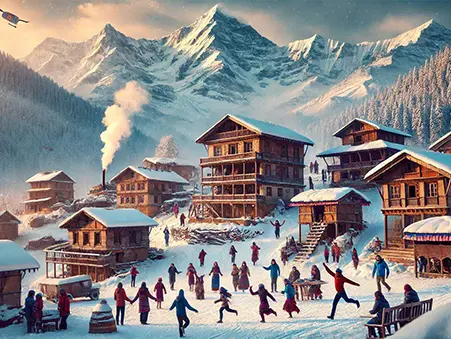
Visit Nepal in Winter is a dream destination for travellers worldwide, known for its towering Himalayas, diverse landscapes, and cultural richness. For Indian tourists and other international visitors, exploring Nepal is now easier than ever, thanks to a wide range
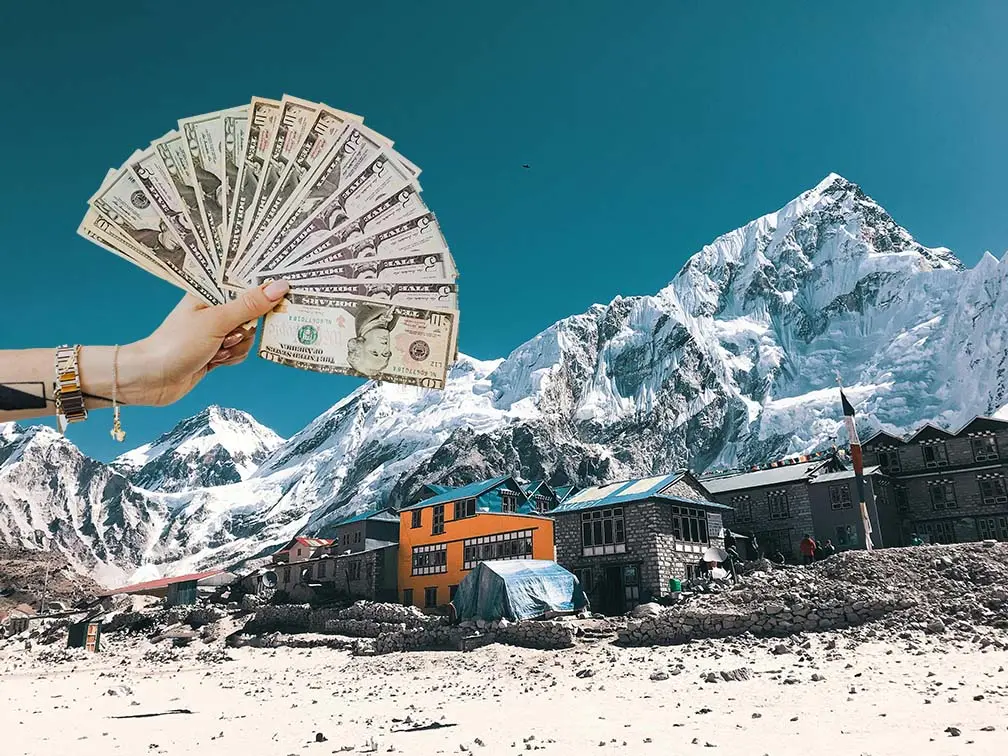
For Indian travellers, Nepal is the Perfect Budget Destination. Nepal offers not only breathtaking scenery but also a great value-for-money travel experience. With affordable accommodation, local cuisine, and tours that fit a range of budgets
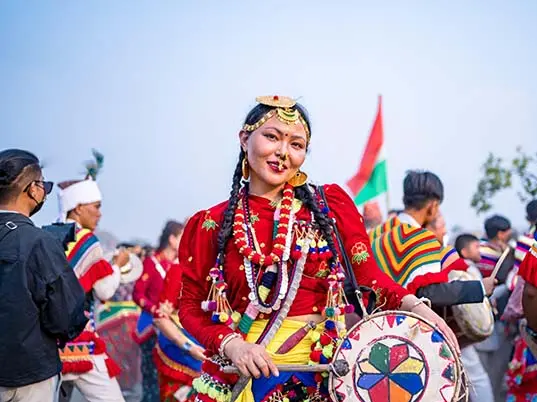
Nepal has long been a favourite travel destination for Indian tourists. Its breathtaking landscapes, rich cultural heritage, and spiritual significance, along with its proximity to India, make it an attractive option for budget-conscious travellers.
